The Way of the Unseen — Why Outcomes Are Decided Long Before You See Them
The Way of the Unseen — Why Outcomes Are Decided Long Before You See Them
The Seven Ways VII: The Way of the Unseen
Why Quiet Habits Shape Visible Results
If the first
failures are physical, the second technical, the third moral, the fourth neurological, the fifth existential, and the sixth relational — then the seventh is temporal.
It is the failure most men never notice until it is too late.
Not because they were careless.
But because they were distracted by what was visible instead of what was unseen.
This is the seventh way: The Way of the Unseen — the discipline of thinking long, training quietly, and trusting the slow compounding of standards.
The Illusion of Sudden Collapse
Most men believe breakdowns happen suddenly.
A health crisis.
A blown relationship.
A career setback.
A plateau that feels permanent.
They look like single events. They are not.
They are the final expression of dozens — sometimes hundreds — of small decisions made in silence:
- skipped sessions
- negotiated standards
- rationalized shortcuts
- ignored warning signs
What appears sudden was actually being built all along.
What You Don’t See Is What Decides
We live in a culture obsessed with results:
- visible transformations
- public wins
- measurable milestones
- dramatic stories
But results are lagging indicators. They are the echo, not the cause.
The real work happens in:
- the quiet mornings
- the boring consistency
- the uncelebrated habits
- the days when no one is watching
The unseen determines the seen.
Why Most Men Train for the Wrong Horizon
Many men train for:
- the next event
- the next challenge
- the next benchmark
- the next goal
Short timelines create urgency.
Urgency creates poor decisions.
The Way of the Unseen asks a different question:
Who are you becoming at this pace?
Not next month.
Not next year.
But over a decade.
Most men overestimate what they can do in one year — and dramatically underestimate what they can do in ten.
Patience as Strategy, Not Virtue
Patience is often framed as a moral trait. In reality, it is a strategic one.
Impatience leads to:
- overtraining
- burnout
- emotional reactivity
- reckless decision-making
Patience leads to:
- steady progress
- sustainable training
- clearer judgment
- long-term advantage
The man who can think in years has a power the impulsive man never accesses.
Why Martial Arts Teach the Unseen Better Than Almost Anything
Martial arts are uniquely suited to this Way. There are no shortcuts to competence.
You cannot buy experience.
You cannot hack timing.
You cannot rush feel.
Progress is often invisible day to day — but unmistakable over years.
On the mat, you learn:
- consistency beats intensity
- refinement beats speed
- presence beats force
- patience beats ego
You discover that real capability is built in layers so thin you barely notice them — until one day, you realize you are not the same man.
The Danger of Performance Without Foundation
Many men look strong.
They lift heavy.
They train hard.
They move explosively.
And yet, beneath the surface:
- joints are fragile
- breathing is poor
- emotional regulation is weak
- discipline is conditional
The unseen weaknesses eventually surface — usually under pressure.
The Way of the Unseen is about building foundations that cannot be shaken.
Not for appearance.
For durability.
Standards, Not Goals
Goals are temporary. Standards are permanent.
Goals change. Standards shape identity.
A man with strong standards does not need constant motivation because his behavior is aligned with who he is.
He trains even when tired.
He regulates even when stressed.
He takes responsibility even when embarrassed.
He stays connected to brotherhood even when busy.
This is unseen discipline.
The Quiet Compounding of Small Choices
Most success — and most failure — is boring.
It is the accumulation of small, repeated actions:
- showing up consistently
- breathing correctly under fatigue
- refining skill instead of chasing intensity
- correcting mistakes quickly
- staying connected to a training community
Each choice seems insignificant. Together, they shape destiny.
Why Men Lose the Long View After 40
After 40, many men subconsciously shorten their timeline.
They think:
- “My best years are behind me.”
- “It’s too late to change.”
- “This is just how I am now.”
This is one of the most dangerous lies.
The long view is not about youth.
It is about consistency.
A man who trains intelligently for ten years after 40 will often surpass the man who burned brightly but inconsistently in his 20s.
The Cost of Visible Obsession
Men who chase visibility:
- numbers
- status
- recognition
- external validation
Often neglect what truly matters. They mistake attention for progress.
The Way of the Unseen asks you to do the opposite:
- build quietly
- train humbly
- refine relentlessly
- care more about who you are becoming than how you look today
This is not glamorous. It is effective.
Why This Is the Final Way
The body builds capacity.
Skill refines execution.
Cause and effect enforces honesty.
Regulation stabilizes the system.
Responsibility restores agency.
Hierarchy and brotherhood provide continuity.
The Unseen ensures that all of it lasts.
Without this Way:
- discipline fades
- standards drift
- progress reverses
With it:
- habits compound
- character solidifies
- capability endures
This is where men stop chasing results and start building lives.
Closing: Train for the Man You Will Become
Do not train for tomorrow. Train for the man you will be in ten years.
Not for applause.
Not for comparison.
Not for immediate proof.
For quiet competence.
Ask yourself regularly:
- Are my habits building or eroding me?
- Are my standards tightening or loosening?
- Am I playing the short game or the long one?
If you stay disciplined long enough, the world will eventually mistake your preparation for luck.
Let them.
Build in silence.
Hold your standards.
Trust the slow work.
— Coach Chuck
Integrated Martial Athletics
About the Author
Coach Chuck Giangreco is the founder and head coach of Integrated Martial Athletics, an adults-only academy dedicated to building long-term capability, discipline, and personal sovereignty. He is a Brazilian Jiu-Jitsu black belt and instructor in Muay Thai, Jeet Kune Do concepts, and Filipino Martial Arts, with decades of experience coaching men to perform calmly and competently under pressure.
Chuck’s work blends physical training, emotional regulation, and timeless principles drawn from combat, philosophy, and real-world experience. He specializes in helping men over 40 reclaim strength, structure, and clarity through consistent, intelligent training rather than short-term motivation or hype.
Train. Learn. Stay Connected.
YouTube
https://www.youtube.com/@IntegratedMartialAthletics
@integratedmartialathletics
@coachchuckgiangreco
Integrated Martial Athletics
Website
https://www.integratedmartialathletics.com
Choose a Class Below!
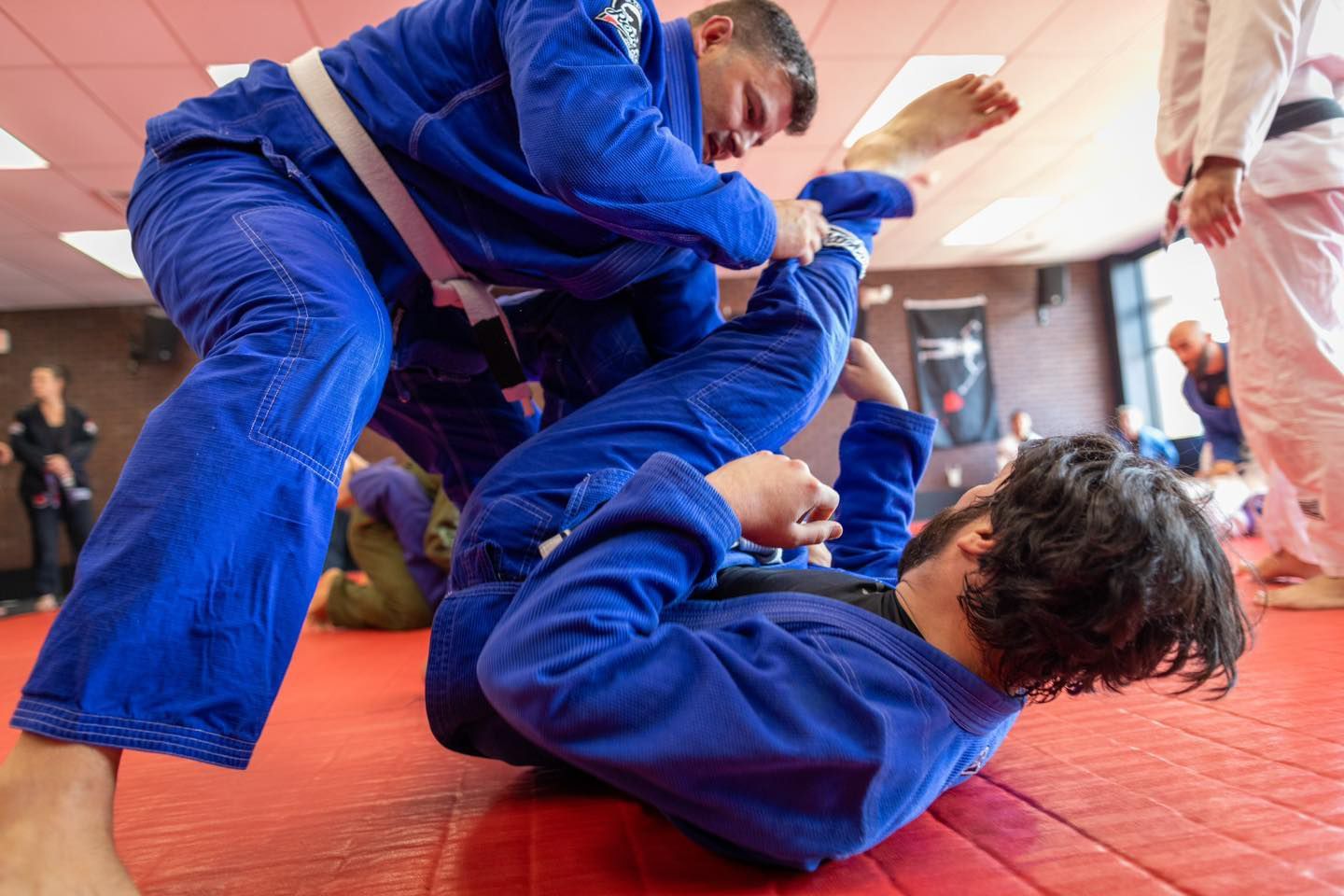
Brazilian Jiu Jitsu

Kettlebell HIIT
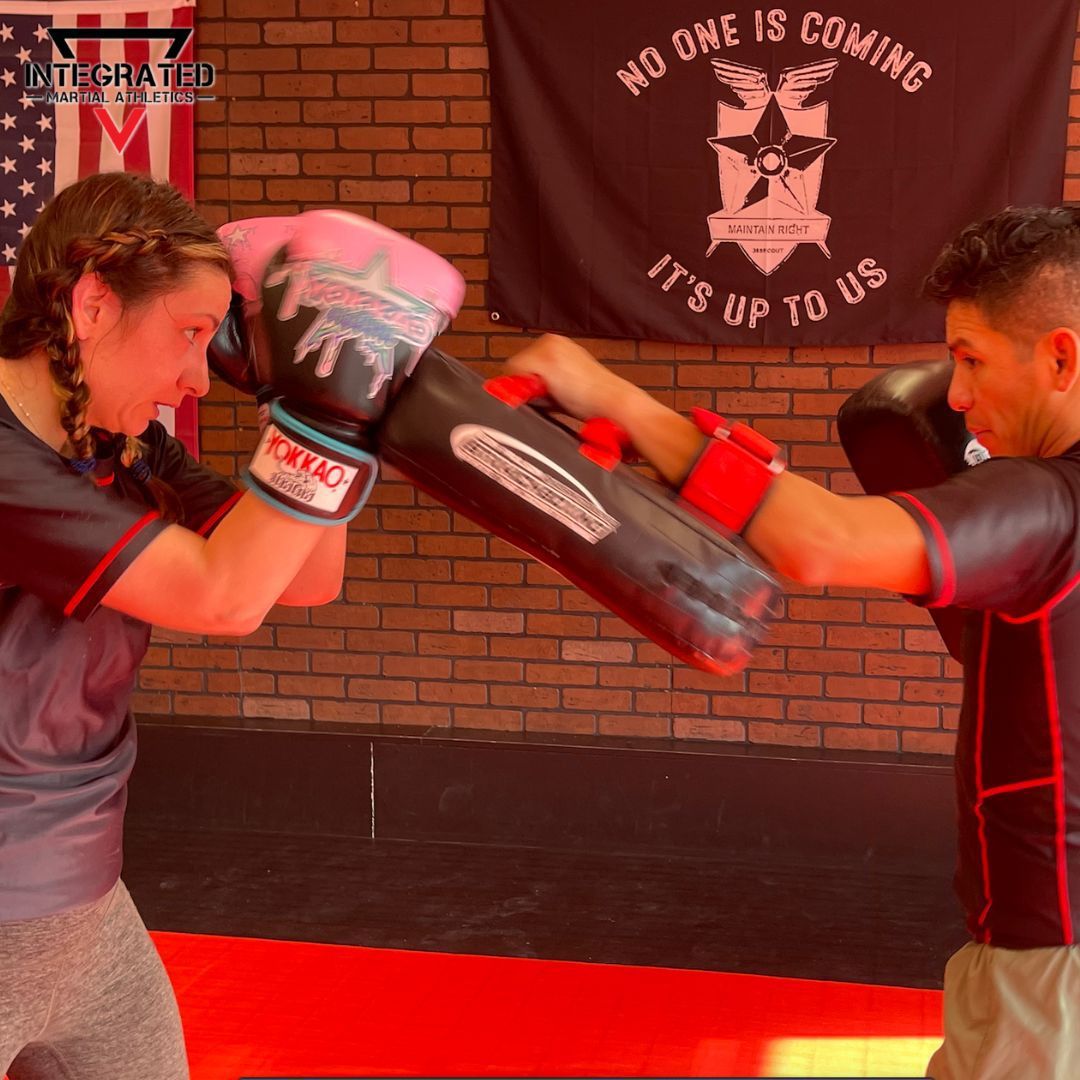
Adult Muay Thai
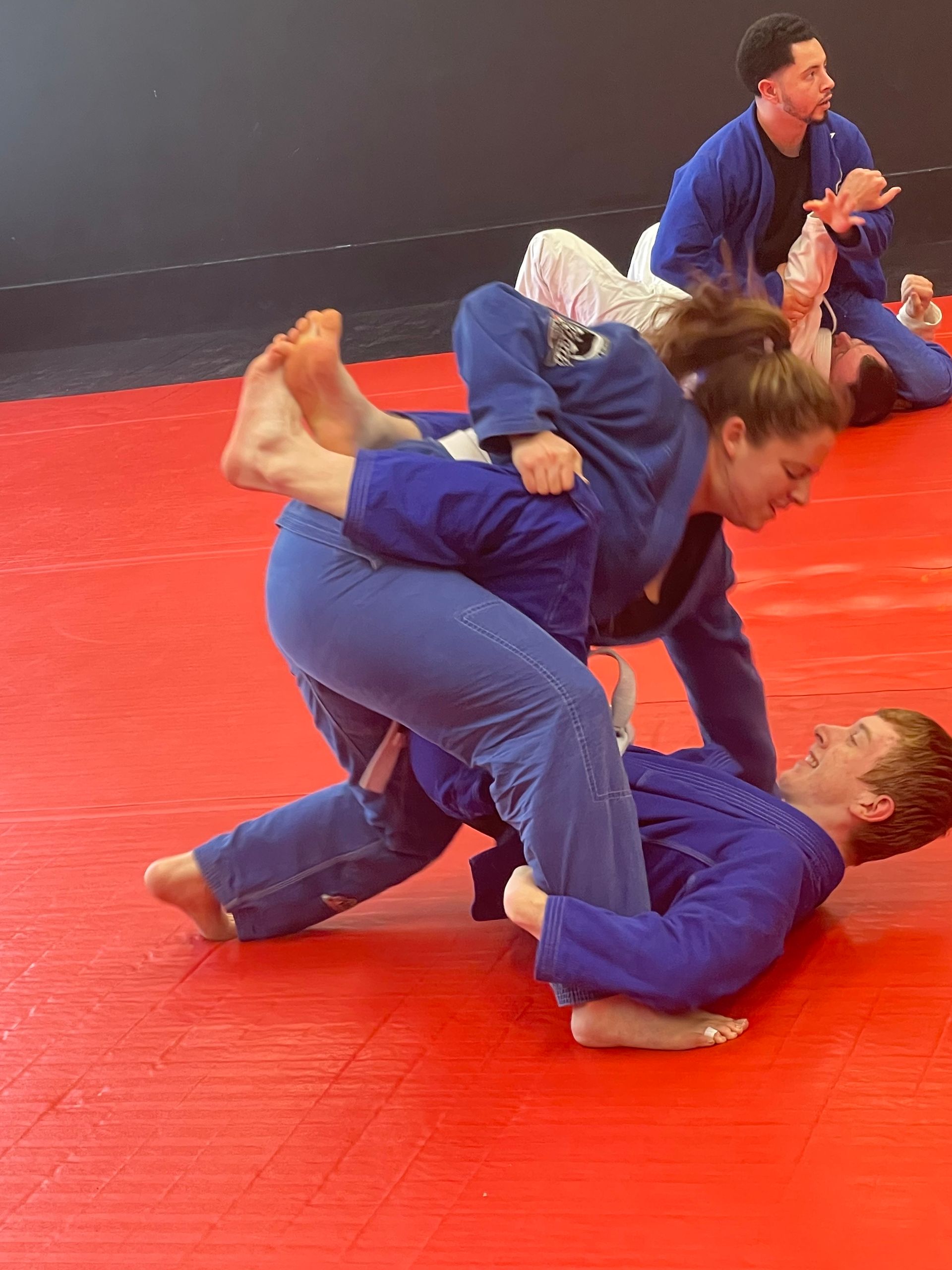
Private Lessons
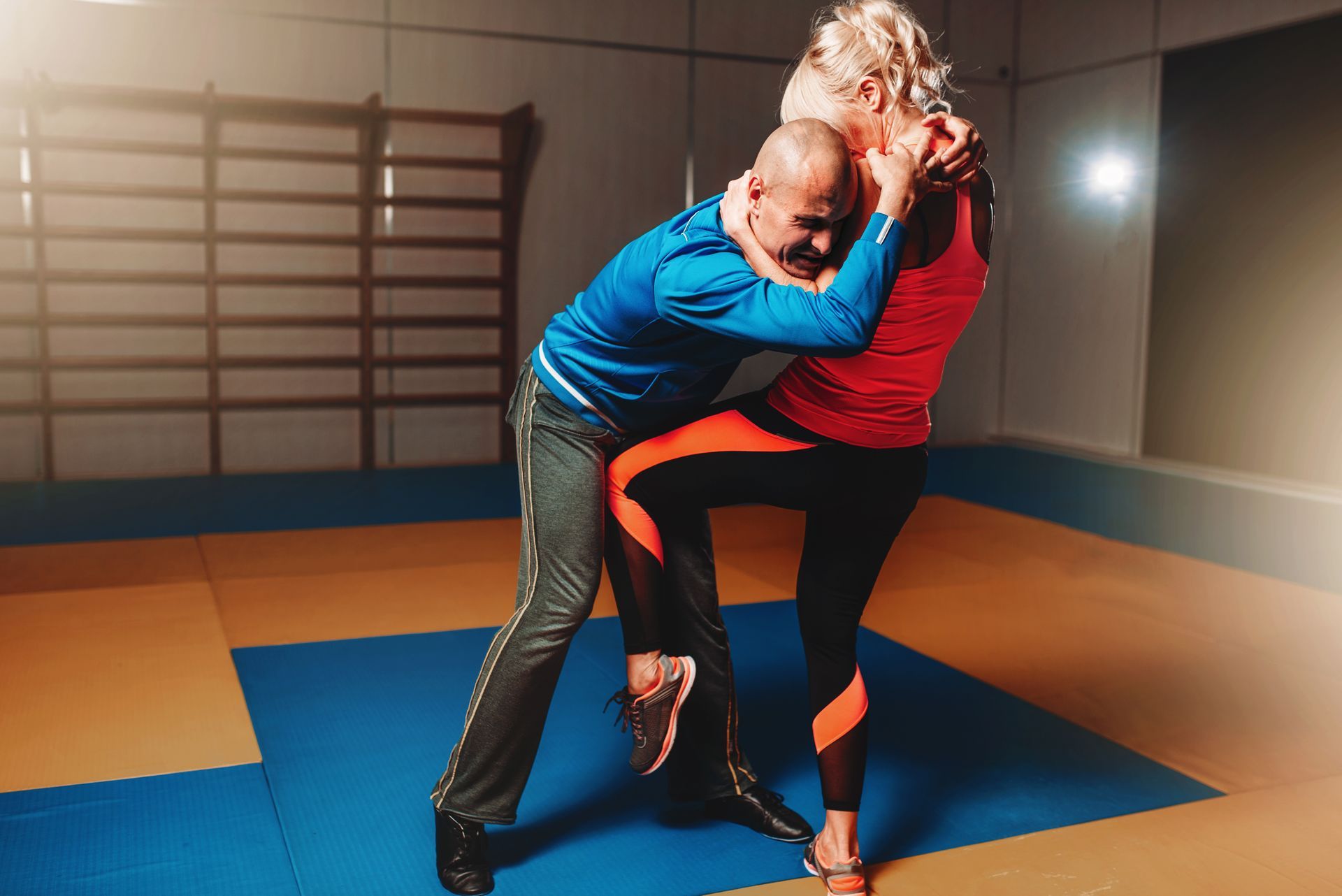
Corporate Self Defense Seminars