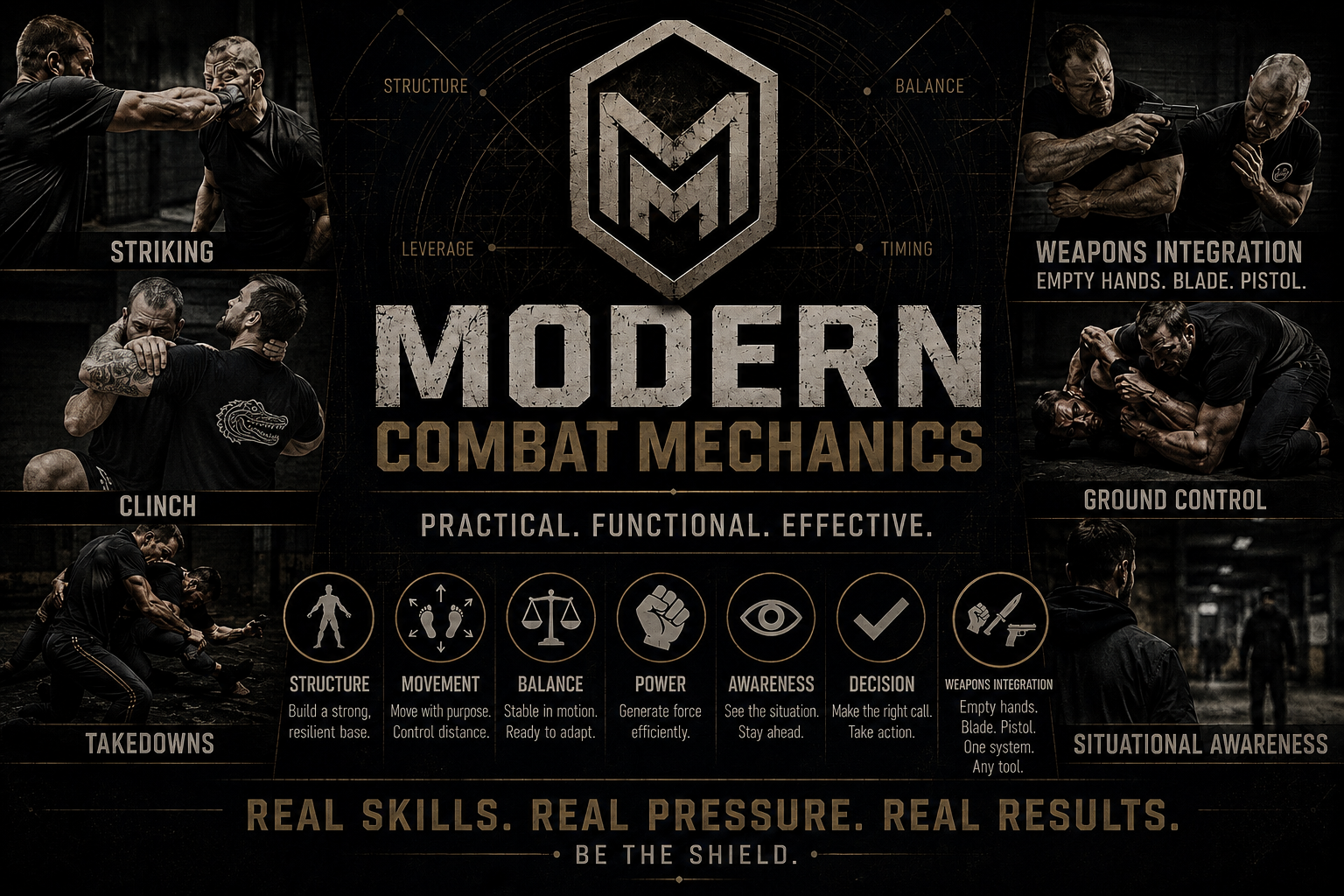
Train the Range You Avoid
Train the Range You Avoid
Why Your Weakest Range Determines Your Survival
Most fighters don’t train for reality.
They train for preference.
The striker stays in striking range.
The grappler stays on the ground.
The weapon enthusiast stays at distance.
Everyone gravitates toward the environment where they feel strong, competent, and confident.
But violence doesn’t care about your comfort.
Violence moves.
Fast.
A confrontation can begin at distance, explode into striking range, collapse into the clinch, and finish on the ground in seconds. The man who survives is not the one who is most specialized. It is the one who can adapt when the fight moves somewhere unfamiliar.
Your weakest range is where you lose.
This is why one of the core training principles at Integrated Martial Athletics is simple, direct, and brutally honest:
Train the range you avoid.
Because comfort creates illusion.
Discomfort creates capability.
The Comfort Trap
Most martial artists are not honest about where they are weak.
They say they are “well-rounded,” but when the pressure rises, they instinctively steer the fight back into the environment where they feel safest.
The boxer circles away from the clinch.
The grappler rushes the takedown to avoid strikes.
The weapons enthusiast maintains distance because empty-hand pressure feels chaotic.
None of these responses are inherently wrong.
The problem arises when those preferences become limitations.
If you only train where you feel strong, you are building a narrow skill set disguised as competence.
Under pressure, that limitation will be exposed.
Real confrontation has a way of dragging you exactly where you don’t want to go.
The ground fighter gets hit.
The striker gets tied up.
Reality does not honor specialization.
It exposes it.
Why Fighters Avoid Certain Ranges
There are predictable reasons why people avoid certain environments in training.
The first is ego protection.
Training in your strongest range feels good. You dominate rounds. You land clean techniques. You reinforce your identity as a capable martial artist.
Training in your weakest range feels very different.
You struggle.
You get controlled.
You get hit.
You make mistakes.
Your identity gets challenged.
The second reason is physical stress.
Different ranges require different attributes.
Striking demands timing, mobility, and comfort with impact.
Clinch work demands structure, posture, and pressure tolerance.
Ground fighting demands patience, leverage, and breath control.
If your body is not adapted to those demands, the range feels exhausting and chaotic.
The third reason is fear of chaos.
Every range contains unpredictability, but unfamiliar ranges feel especially chaotic.
The striker entering the clinch feels smothered.
The grappler standing at striking range feels exposed.
The untrained person on the ground feels trapped.
The brain interprets unfamiliar chaos as danger.
But avoidance creates fragility.
And fragility gets exposed under pressure.
The Range That Terrifies You Is the One You Need
Ask yourself a simple question:
Which range makes you uncomfortable?
Not mildly uncomfortable.
Truly uncomfortable.
The one where your breathing changes.
The one where your reactions become frantic.
The one where you feel a step behind.
That is the range you need most.
The striker who hates the clinch needs the clinch.
The grappler who avoids punches needs striking pressure.
The athlete who only trains on the ground needs standing chaos.
Growth does not happen inside the comfort zone of your favorite skill set.
Growth happens where your system is forced to adapt.
When the fight changes ranges, the body does not rise to the level of your ego.
It falls to the level of your training.
Integration Is the Only Real Answer
This is why the philosophy at Integrated Martial Athletics has always been built around integration.
Empty hand.
Striking.
Clinch.
Ground.
No single range exists in isolation.
Real confrontations move fluidly between them.
A punch leads to a clinch.
A clinch leads to a takedown.
A takedown leads to ground control.
Sometimes the fight reverses direction entirely.
Sometimes distance opens again.
The goal is not predicting exactly where a fight goes.
The goal is not being overwhelmed when it changes.
Competence across ranges creates adaptability.
Adaptability creates calm.
And calm under pressure determines the outcome.
The Illusion of Specialization
Modern martial arts culture often rewards specialization.
Competition structures reinforce it.
A boxer trains for boxing rules.
A jiu-jitsu competitor trains for jiu-jitsu rules.
A wrestler trains for wrestling rules.
Inside those environments, specialization works.
Outside them, specialization becomes fragile.
The boxer cannot prevent the clinch.
The grappler cannot prevent strikes forever.
Reality removes the guardrails.
This is when integrated capability matters most.
At Integrated Martial Athletics, we do not reject specialization entirely. Technical mastery is valuable.
But mastery must sit inside a broader understanding of how fights actually unfold.
Otherwise the specialist becomes vulnerable the moment the fight leaves their preferred range.
Pressure Reveals Character
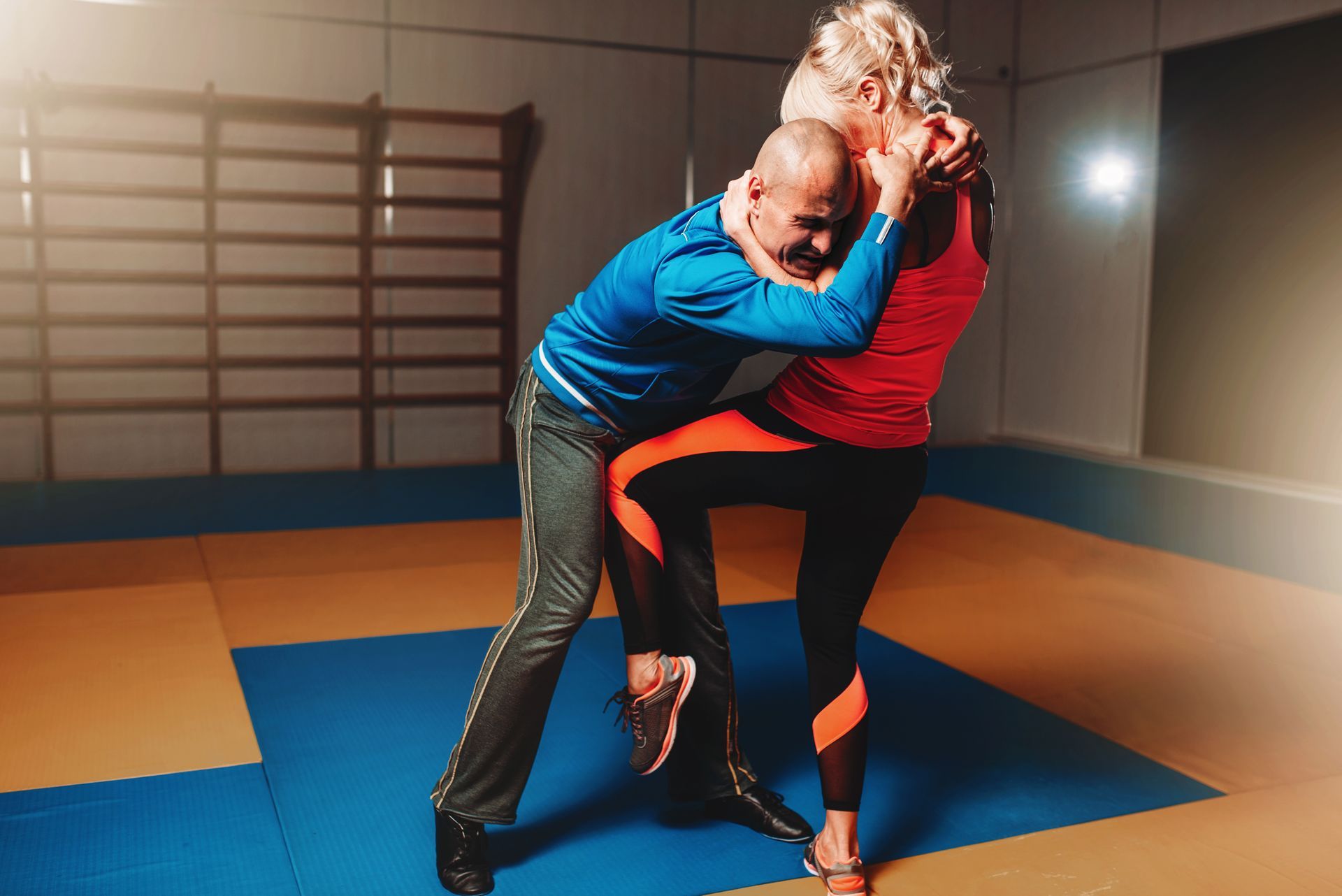
The clinch is one of the most honest places in martial arts.
Posture matters.
Balance matters.
Structure matters.
If someone has avoided that range for years, their body reveals the truth immediately.
They tense.
They panic.
They hold their breath.
Pressure exposes incomplete training.
But that is not failure.
It is information.
If you are willing to face it.
Train the Range You Avoid
The solution is not complicated.
It is simply uncomfortable.
Seek out the environments where you struggle.
Spend time there.
Allow yourself to be the least experienced person in that range.
Allow your nervous system to adapt.
Allow your breathing to settle.
Allow your perception to sharpen.
Over time the chaos becomes recognizable.
What once felt overwhelming begins to feel manageable.
That is the transformation real training produces.
Not perfection.
But adaptability.
The IMA Standard
Capability is not built by dominating comfortable situations.
Capability is built by surviving uncomfortable ones.
At Integrated Martial Athletics, we encourage our Tribe to pursue competence across ranges precisely because the world does not respect our preferences.
Distance changes.
Pressure changes.
Environment changes.
Your training must prepare you for those transitions.
Because the moment the fight moves somewhere unfamiliar, you will rely on whatever familiarity you have built there.
If you have none, panic fills the gap.
If you have trained there, even imperfectly, your mind stays calm enough to find solutions.
Training Across Combat Ranges
At Integrated Martial Athletics, students train across the full spectrum of combat ranges:
• Projectile Range – FMA awareness and positioning
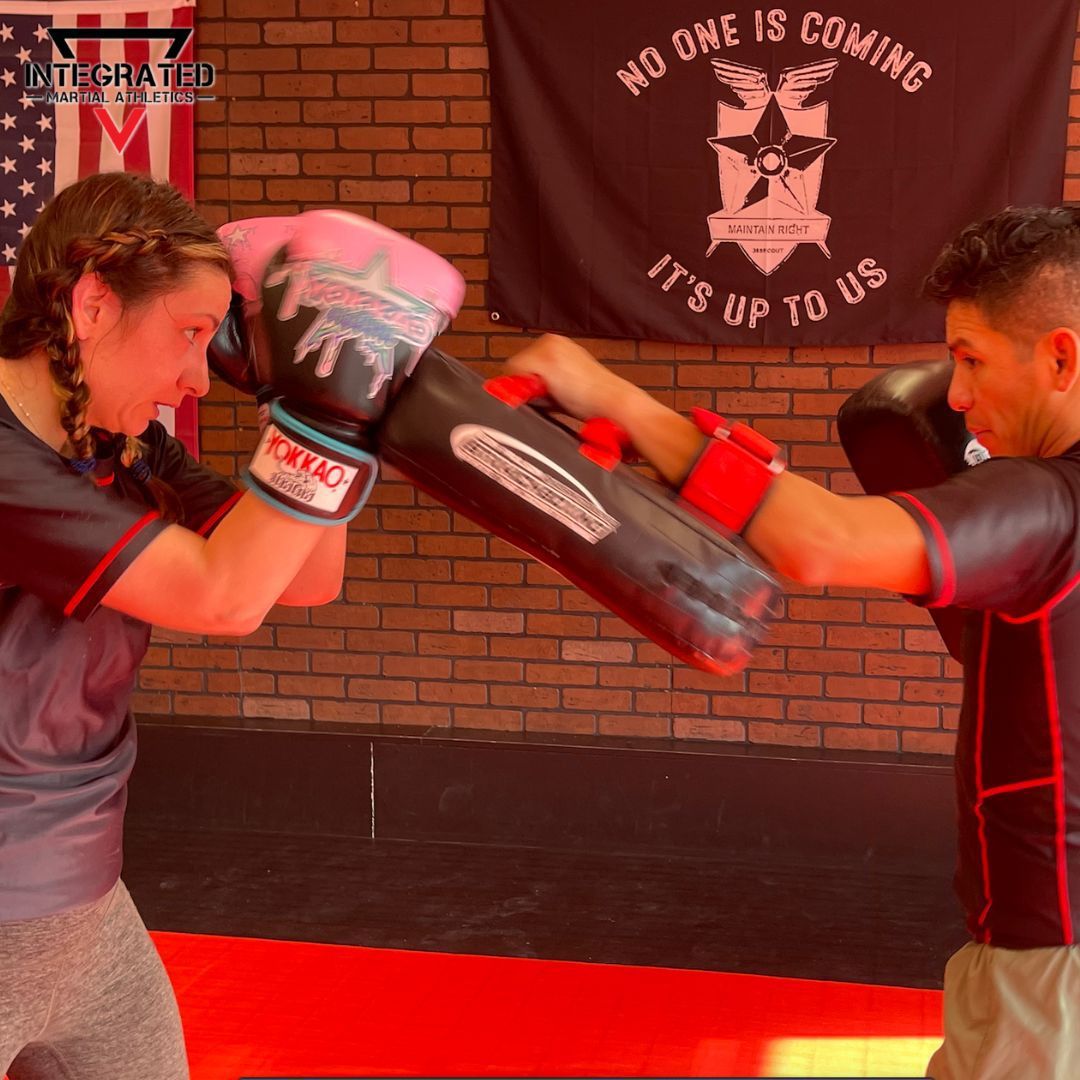
• Striking Range – Muay Thai, JKD, and Panantukan
• Clinch Range – wrestling, Dumog, and Silat
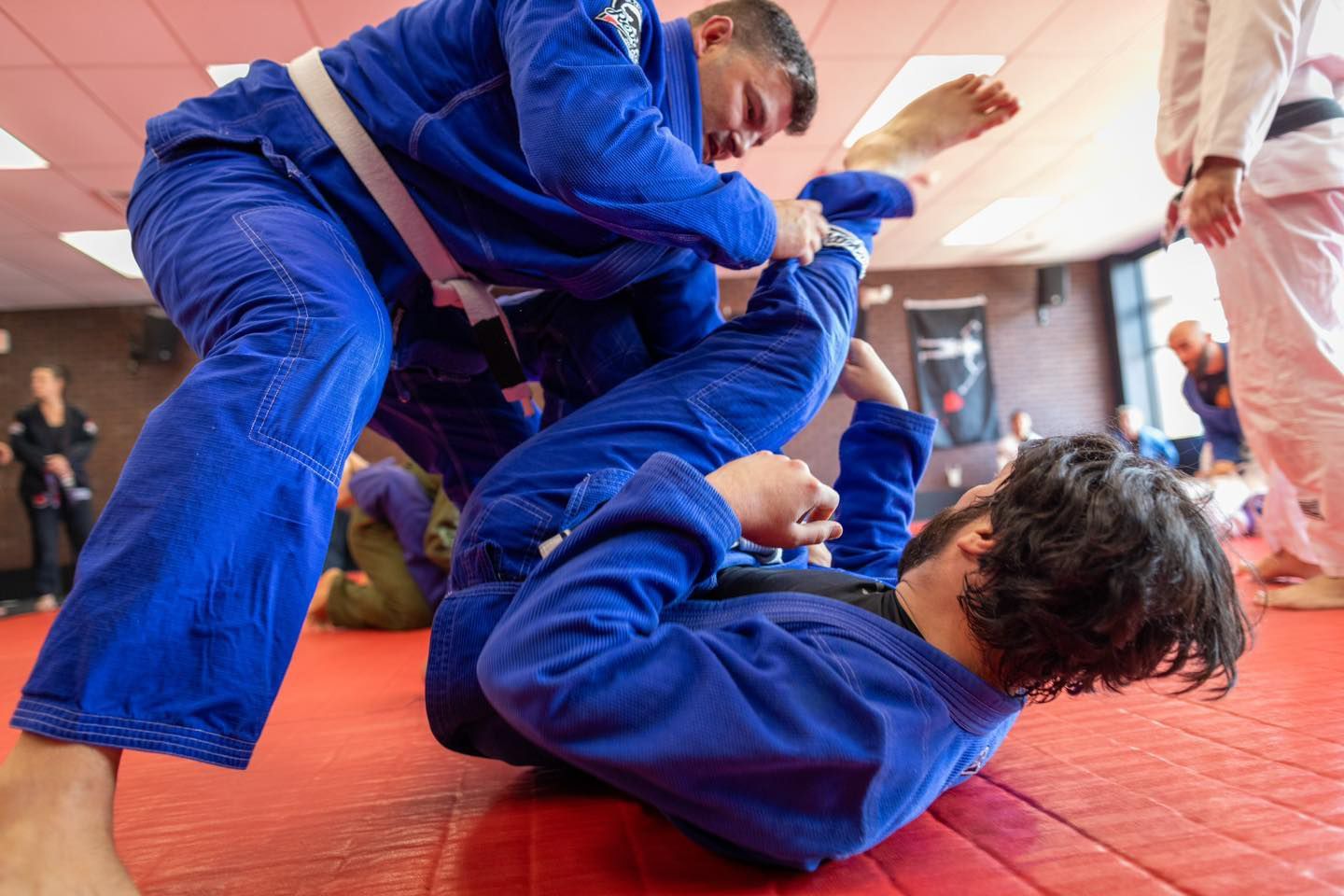
• Ground Range – Brazilian Jiu-Jitsu and grappling
Because real confrontations do not stay where you feel comfortable.
They move.
From distance…
to impact…
to pressure…
to control.
The martial artist who understands distance, proximity, and range transitions is the one who remains calm when chaos appears.
Frequently Asked Questions About Combat Distance and Training Ranges
Why is distance so important in a fight?
Distance determines what techniques are possible at any given moment. A fighter at long range cannot grapple, while someone in the clinch cannot effectively kick or maintain striking power.
Understanding distance allows martial artists to choose the correct tactics and maintain control as the fight moves between striking, clinch, and ground.
What are the main ranges in martial arts?
Most combat systems recognize four primary ranges:
Projectile Range
Striking Range
Clinch Range
Ground Range
Real confrontations often move rapidly between these ranges.
Why should fighters train outside their comfort zone?
Training only in your strongest range creates false confidence. If a confrontation forces you into a range you avoid, your nervous system may panic. Training across ranges develops adaptability and composure under pressure.
What is Integrated Martial Athletics training?
IMA teaches Brazilian Jiu-Jitsu, Muay Thai, Filipino Martial Arts, and Jeet Kune Do to prepare students for transitions between striking, clinch, and ground ranges.
How do you improve your weakest range?
Consistent exposure.
Start with controlled drills, work with experienced partners, and gradually increase pressure until the unfamiliar range becomes manageable.
About the Author
Coach Chuck Giangreco is the founder and head coach of Integrated Martial Athletics, where he teaches Brazilian Jiu-Jitsu, Muay Thai, Filipino Martial Arts, and Jeet Kune Do concepts.
His teaching philosophy centers around developing capability, composure, and responsibility through martial arts training.
Through decades of training and coaching, he developed The Seven Ways, a framework that helps martial artists and men build:
• physical capability
• emotional regulation under pressure
• personal responsibility
• leadership and brotherhood
• long-term discipline
At Integrated Martial Athletics, martial arts are not treated as sport alone.
They are a vehicle for developing capable men who can protect themselves, their families, and their communities.
The goal is simple:
Capability with character.
Train With Us
Website
https://www.integratedmartialathletics.com
https://www.instagram.com/integratedmartialathletics
https://www.facebook.com/integratedmartialathletics
YouTube
https://www.youtube.com/@integratedmartialathletics
Patreon
https://www.patreon.com/coachchuck
Final Thought
Distance dictates everything.
Whether you understand it or not.
Your circle defines you.
Train accordingly.
— Coach Chuck Giangreco
Integrated Martial Athletics
#IMAtribe #BeTheShield #TrainWithPurpose
Choose a Class Below!
Brazilian Jiu Jitsu

Kettlebell HIIT
Adult Muay Thai
Private Lessons
Corporate Self Defense Seminars