Everyone Wants Advanced Tactics. Here's Why The Fundamentals Win Fights.
Everyone Wants Advanced Tactics. Few Master the Fundamentals.
Everybody wants the advanced stuff.
The slick counter.
The complicated combination.
The disarm.
The trap.
The takedown that looks effortless.
The technique they haven’t seen before.
Spend enough time teaching martial arts and you start to recognize the pattern. People are naturally attracted to novelty. They want to know what comes next.
“What’s the advanced version?”
“What do you do after this?”
“What if he counters that?”
“What about multiple attackers?”
“What if there’s a weapon?”
Those are legitimate questions.
But there’s another question that should come first:
Can you actually execute the fundamentals when someone is trying to stop you?
Because after more than three decades of training, teaching, coaching, and studying violence, I keep coming back to the same conclusion:
Advanced skill is usually just fundamental skill performed under increasingly difficult circumstances.
That isn’t nearly as exciting.
But it matters a lot more.
The Seduction of Complexity
Complexity feels like progress.
Learning something new gives us an immediate sense that we’re improving. Another technique goes into the toolbox. Another combination. Another drill. Another answer.
But collecting techniques and developing capability are not the same thing.
You can know fifty ways to defend a punch and still get hit.
You can know twenty takedowns and still be unable to put someone on the ground.
You can understand the mechanics of a rear naked choke and still be unable to control someone long enough to apply it.
Knowledge matters.
But knowledge has to survive contact with resistance.
That changes everything.
As resistance increases, your available options usually decrease.
Fine motor skills deteriorate.
Your attention narrows.
Your breathing changes.
Your perception of distance changes.
Your timing gets disrupted.
And suddenly that beautiful six-step sequence you performed perfectly with a cooperative training partner isn’t available anymore.
What remains?
Usually the things you’ve done thousands of times.
Your stance.
Your movement.
Your balance.
Your ability to manage distance.
Your ability to hit.
Your ability to cover.
Your ability to clinch.
Your ability to maintain position.
Your ability to recognize what’s happening quickly enough to act.
The fundamentals.
Fundamentals Aren’t Beginner Skills
One of the biggest mistakes people make in martial arts is confusing fundamental with beginner.
They aren’t the same thing.
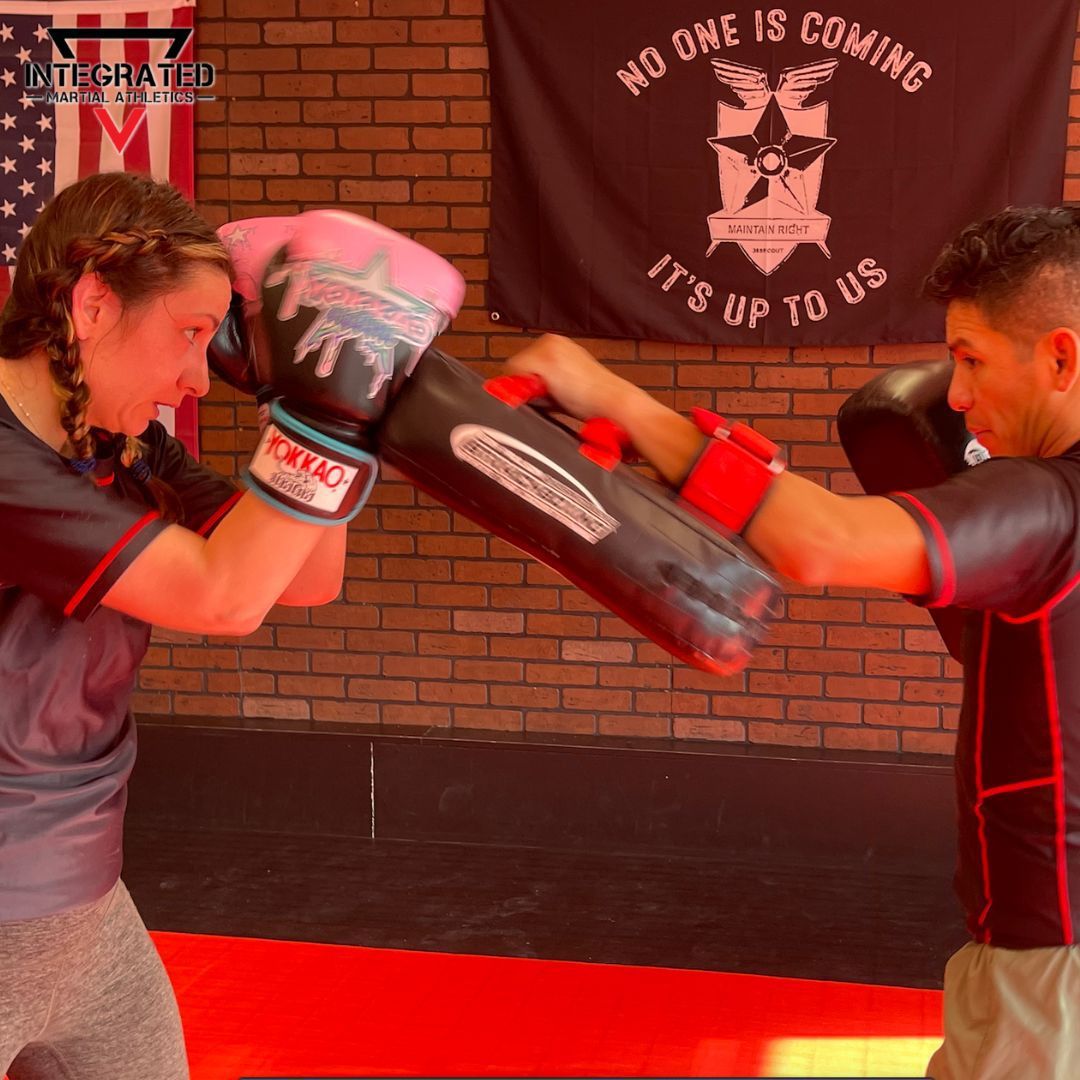
A jab is fundamental.
Watch an elite boxer throw one.
A double-leg takedown is fundamental.
Watch an elite wrestler hit one.
Maintaining mount is fundamental.
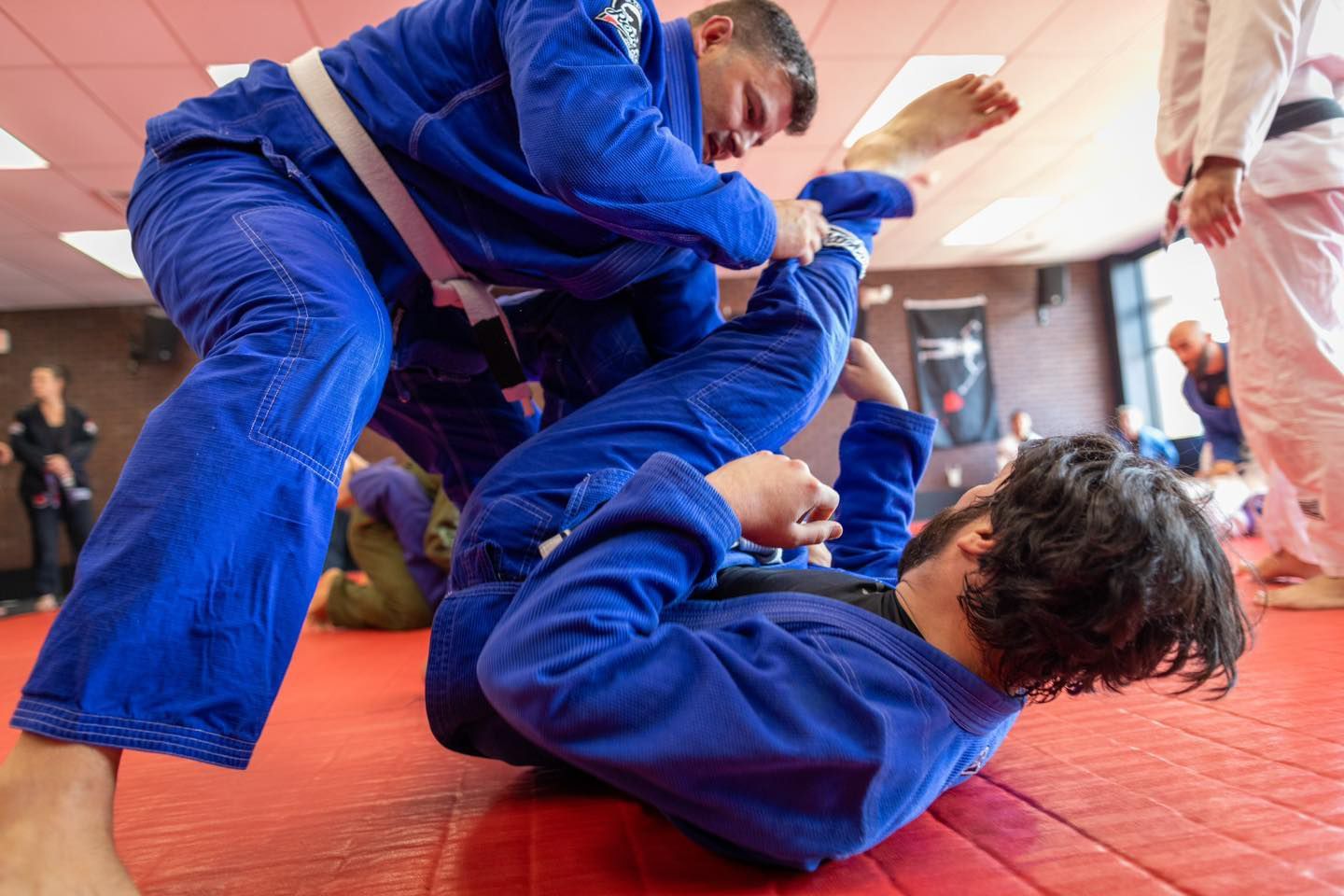
Try escaping from a high-level Brazilian Jiu-Jitsu black belt who has spent decades refining pressure, balance, timing, and weight distribution.
The movement might be basic.
The execution isn’t.
The beginner learns what to do.
The intermediate student learns how to do it against resistance.
The advanced practitioner learns when to do it, when not to do it, and how to adapt when the situation changes.
That’s where mastery begins.
The technique often becomes simpler as the practitioner becomes better.
Less wasted motion.
Less unnecessary tension.
Less hesitation.
Less thought.
More efficiency.
Pressure Reveals What You Actually Own
There is a major difference between something you know and something you own.
You know a technique when you can demonstrate it.
You own it when you can access it under pressure.
That’s why pressure testing matters.
Not because every training session needs to become a fight.
It shouldn’t.
But skills have to eventually encounter uncertainty.
Your partner moves differently.
They resist.
They change rhythm.
They hit back.
They pummel for position.
They try to escape.
They don’t give you the reaction you’re expecting.
That’s when training becomes incredibly valuable.
Failure under controlled pressure isn’t a problem.
It’s information.
It exposes the gaps.
Maybe your balance isn’t as good as you thought.
Maybe your distance is wrong.
Maybe your hands drop when you attack.
Maybe your footwork disappears when you’re tired.
Maybe you’re trying to execute techniques before you’ve earned the position required to use them.
Those discoveries are far more valuable than successfully performing another complicated sequence against a cooperative partner.
Position Before Technique
This becomes even more important when we move beyond sport and start discussing personal security.
Real violence is messy.
People aren’t standing in perfect fighting stances.
Distance changes quickly.
There may be walls, tables, cars, curbs, other people, or confined spaces.
Weapons can appear.
Someone who looked uninvolved seconds earlier may suddenly become involved.
You may not know whether the person in front of you is alone.
Under those conditions, technique alone isn’t enough.
You need structure.
You need balance.
You need awareness.
You need position.
You need to understand distance.
You need the ability to make decisions while things are changing.
This is why I continually tell my students:
Distance dictates everything.
Your available tools are determined by where you are relative to the threat.
At one distance, you can disengage.
At another, you can strike.
Closer, you may need to clinch.
On the ground, the priorities change again.
Introduce a weapon and those priorities can change instantly.
Before asking which technique you should use, understand the problem you’re actually trying to solve.
Fundamentals Create Adaptability
This is where fundamentals become something much bigger than technique.
They create adaptability.
If your balance is good, you can move.
If your movement is good, you can manage distance.
If you understand distance, you have more time to recognize what’s happening.
If your structure is good, you can generate force without sacrificing position.
If your defensive reactions are trained, you can survive long enough to make another decision.
If your positional control is good, you don’t have to rely on strength alone.
Each fundamental supports the next.
That’s why my approach to Modern Combat Mechanics begins where it does.
Not with flashy techniques.
With stance.
Movement.
Balance.
Distance.
Structure.
Power generation.
Basic striking mechanics.
Defensive responses.
Entries.
These aren’t things you graduate from.
They’re things you continue refining.
Then we layer additional problems onto that foundation.
Defense.
Clinch work.
Off-balancing.
Limb manipulation.
Weapon awareness.
Environmental considerations.
The system can become more sophisticated.
But the foundation doesn’t disappear.
Under Stress, You Don’t Rise to Your Imagination
People have very elaborate ideas about what they’ll do in an emergency.
Then something unexpected happens.
There is a massive difference between imagining yourself responding and having a trained response available.
When chaos arrives, you don’t suddenly gain skills.
You have access to whatever you’ve developed deeply enough to survive stress.
That’s why repetition matters.
Not mindless repetition.
Intentional repetition.
You aren’t just throwing another jab.
You’re improving your balance while throwing it.
You’re eliminating unnecessary movement.
You’re recovering your position faster.
You’re seeing your partner’s response earlier.
You’re connecting your feet, hips, torso, and hand more efficiently.
You’re learning when the jab is available.
You’re learning when it isn’t.
The movement may look identical from the outside.
Internally, you’re developing an entirely different level of understanding.
That’s mastery.
Boring Is Often Where the Breakthrough Happens
There is a point in training where improvement stops feeling exciting.
You aren’t learning ten new techniques every week anymore.
Instead, your coach tells you to fix your stance.
Again.
Keep your hands up.
Again.
Move your feet.
Again.
Control the inside position.
Again.
Don’t reach.
Again.
Get your posture back.
Again.
For someone addicted to novelty, this can feel like stagnation.
It isn’t.
You’re sharpening the blade.
Small improvements begin accumulating.
Your reactions become faster because there’s less unnecessary thought.
Your movement becomes cleaner because there’s less unnecessary motion.
Your technique becomes stronger because your structure is better.
Your decision-making improves because you’re no longer overwhelmed trying to choose from dozens of possible responses.
Eventually, something interesting happens.
What used to feel fast starts feeling slower.
What used to feel chaotic starts becoming recognizable.
You begin seeing patterns earlier.
That’s not because the world slowed down.
You got better at processing it.
The Goal Isn’t More Techniques
I don’t believe the goal of martial arts training should be to accumulate the largest possible collection of techniques.
The goal is capability.
Can you move?
Can you maintain your balance?
Can you protect yourself?
Can you manage distance?
Can you generate force?
Can you control another human being?
Can you recognize when circumstances have changed?
Can you transition when Plan A stops working?
Can you stay functional when you’re tired, surprised, uncomfortable, or under pressure?
Those questions matter much more than how many techniques you know.
And here’s the irony:
Once your fundamentals become strong enough, the advanced material becomes much easier.
You understand why it works.
You can recognize the conditions required for it.
You can adapt it instead of memorizing it.
And you can abandon it when the situation calls for something else.
That’s what separates technique collection from actual skill.
Master the Simple Things
There will always be another technique.
Another seminar.
Another video.
Another system.
Another tactical problem to explore.
I’m still learning too.
That’s one of the reasons I’ve stayed fascinated with martial arts for most of my life.
But the longer I train, the more respect I have for simple things done exceptionally well.
Move well.
Maintain your structure.
Understand distance.
Protect yourself.
Hit with purpose.
Control position.
Recognize change.
Make decisions.
Then pressure test all of it.
Don’t chase complexity because you’re bored with the fundamentals.
Go deeper into them.
Because when circumstances become uncertain and your options begin disappearing, you may discover that the skills you once considered “basic” are the ones everything else depends on.
Everyone wants advanced tactics.
Few are willing to master the fundamentals.
Be one of the few.
Be The Shield. Capability creates options.
TRAIN WITH ME
Integrated Martial Athletics
https://www.integratedmartialathletics.com/
Patreon — Coach Chuck
https://www.patreon.com/CoachChuck
LEARN WITH ME
YouTube — @IntegratedMartialAthletics
https://www.youtube.com/@integratedmartialathletics
Blog
https://www.integratedmartialathletics.com/journal
CONNECT
Instagram — @integratedmartialathletics
https://www.instagram.com/integratedmartialathletics/
Instagram — @chuck_giangreco
https://www.instagram.com/chuck_giangreco/
Facebook — Integrated Martial Athletics
https://www.facebook.com/integratedmartialathletics
TikTok — Coach Chuck
https://www.tiktok.com/@coachchuck
Choose a Class Below!
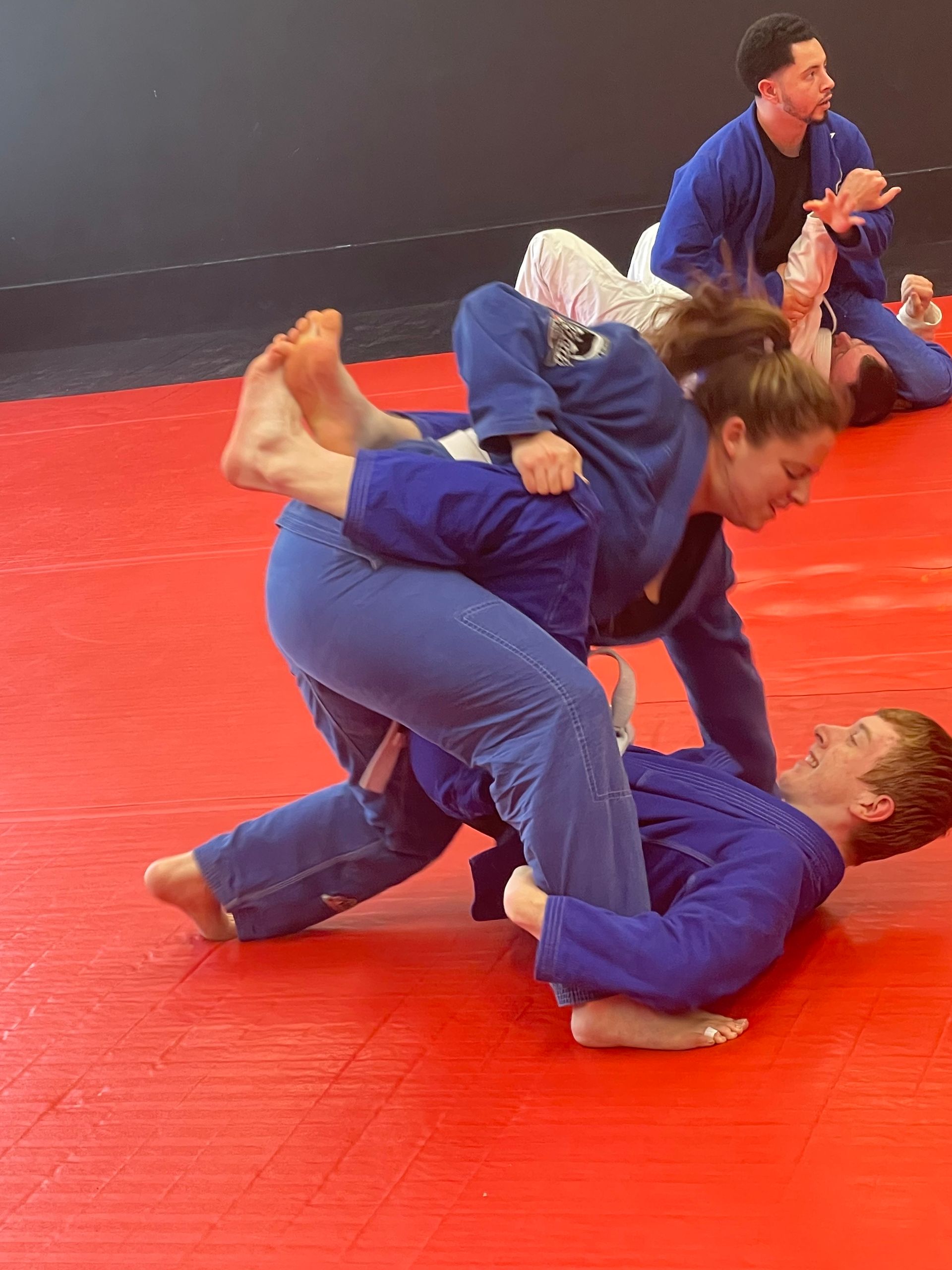
Brazilian Jiu Jitsu

Kettlebell HIIT
Adult Muay Thai
Private Lessons
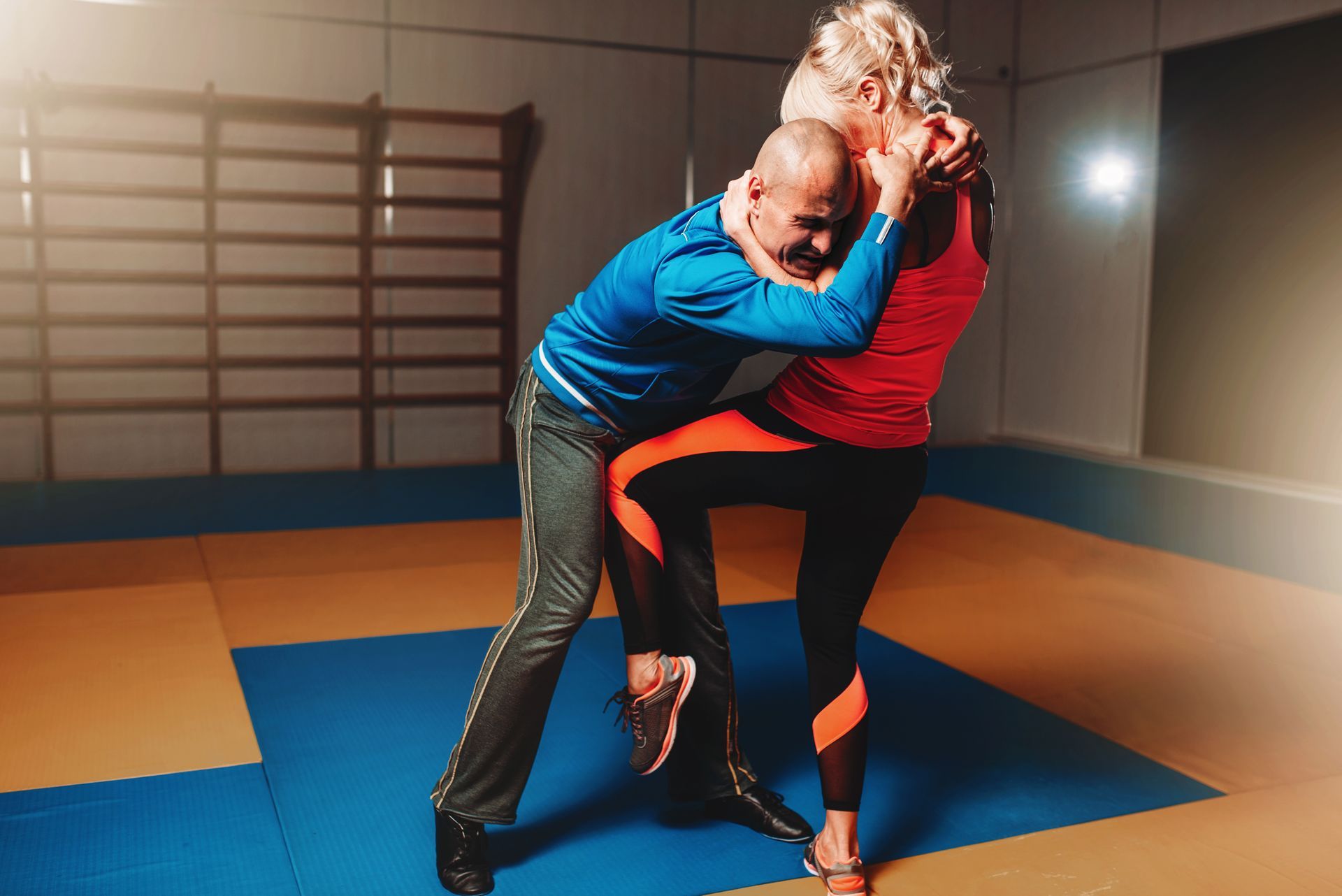
Corporate Self Defense Seminars