
When Pressure Hits, Who Do You Become? How to Stay Calm Under Stress
Chuck Giangreco • September 7, 2026
When Pressure Hits, Who Do You Become? How to Stay Calm Under Stress
Most people believe they’ll rise to the occasion when something goes wrong.
They imagine themselves seeing the problem clearly.
Making the right decision.
Taking decisive action.
Maybe even becoming the person everyone else can depend on.
But pressure has a way of exposing the difference between who we imagine ourselves to be and what we can actually access when things become uncomfortable.
Your heart rate climbs.
Your breathing changes.
Your attention narrows.
Time can seem to speed up.
Simple decisions suddenly become more difficult.
And skills that seemed effortless in a controlled environment can become surprisingly difficult to access.
I’ve watched versions of this happen thousands of times over decades of teaching martial arts.
A student learns a technique.
They understand it.
They can demonstrate it.
Everything looks good.
Then we add resistance.
Speed.
Uncertainty.
Fatigue.
Pressure.
Suddenly, the answer they knew five minutes ago becomes much harder to find.
That lesson extends far beyond martial arts.
Because life doesn’t care what you can do when everything is comfortable.
What matters is what you can access when it isn’t.
Calm Is a Skill
We often talk about calm people as though they were simply born that way.
Some people certainly seem naturally more composed than others.
But the ability to remain functional under pressure can also be developed.
That distinction matters.
Because the objective isn’t to eliminate fear.
It isn’t to eliminate adrenaline.
And it isn’t to somehow become immune to stress.
Those responses are part of being human.
The goal is to remain capable while experiencing them.
One of the most important lessons I’ve learned through decades of martial arts and pressure-based training is this:
You don’t need to feel calm to act calmly.
Your heart can be pounding.
You can feel the adrenaline.
You can recognize that the situation in front of you is serious.
And you can still make a deliberate decision.
That’s what we’re actually trying to develop.
Not fearlessness.
Function.
What Happens to Your Brain Under Pressure?
When something unexpected happens, your brain immediately begins trying to make sense of it.
What am I looking at?
Is this a threat?
What does this mean?
What should I do?
One useful framework for understanding this process is the OODA Loop: Observe, Orient, Decide, Act.
The concept was developed by U.S. Air Force Colonel John Boyd to understand decision-making in rapidly changing environments, but its usefulness extends far beyond military aviation.
You observe what is happening.
You orient yourself to the circumstances.
You make a decision.
Then you act.
But real life rarely presents information in such an orderly fashion.
Things are moving.
People are talking or yelling.
Information may be incomplete.
You may not understand someone’s intentions.
Your emotions are entering the equation.
And while you’re trying to process all of that, the situation continues changing.
That’s where people get caught.
They hesitate.
Freeze.
Overreact.
Or simply default to whatever behavior feels most familiar.
This is one reason realistic training matters.
The goal isn’t merely to collect more information.
It’s to become better at accessing useful information while under pressure.
Fight, Flight… or Posture
Most people have heard of fight or flight.
But there’s another response I see frequently, particularly when conflict begins developing between people.
I call it posture.
Someone feels threatened or uncertain and doesn’t immediately know what to do.
So they get louder.
Their body language changes.
They threaten.
They argue.
They close distance.
They try to demonstrate that they aren’t afraid.
Unfortunately, posture can turn a manageable situation into a dangerous one.
The person may believe they’re taking control when they’re actually surrendering control to emotion and ego.
That’s why emotional regulation isn’t separate from personal protection.
It is personal protection.
The ability to recognize what is happening inside yourself before it dictates what you do next is an important part of real-world capability.
Sometimes the best tactical decision you’ll ever make is refusing to allow your ego to make the next decision for you.
Panic Is Contagious
We’ve all experienced situations where one person’s emotional state begins affecting everyone around them.
Someone becomes angry.
Another person responds.
Voices rise.
Someone panics.
Suddenly the entire environment feels different.
Human beings constantly take cues from one another.
That’s why leadership often begins before anyone gives an order.
Your posture communicates.
Your breathing communicates.
Your facial expression communicates.
Your voice communicates.
Your ability to slow things down communicates.
One phrase I repeat often is:
Calm is contagious.
But there’s another side to that.
Panic is contagious too.
The person capable of maintaining control over himself has a better chance of positively influencing everyone around him.
That matters during a confrontation.
But it also matters when your child is scared.
When your spouse is overwhelmed.
When something goes wrong at work.
When there’s a medical emergency.
When you receive bad news.
When your business hits a problem.
When a plan you’ve spent months building suddenly falls apart.
Different problems.
Same principle.
Regulate yourself first. Then deal with the problem.
Slow Down Without Becoming Slow
Calmness is sometimes confused with passivity.
They aren’t the same thing.
Being calm doesn’t mean moving slowly.
It doesn’t mean endlessly analyzing a problem.
And it certainly doesn’t mean refusing to act.
There are situations where immediate action is necessary.
The objective is to create enough space between stimulus and response that you’re making a decision rather than simply reacting emotionally.
Sometimes that space might be several minutes.
Sometimes it might be a few seconds.
Sometimes it may only be one deliberate breath.
But that gap matters.
Because decisions create consequences.
And once certain decisions are made, you don’t get to take them back.
That’s obvious when we’re discussing violence.
But the principle applies everywhere.
The email you send while angry.
The argument you escalate with your spouse.
The employee you unload on because you’re frustrated.
The financial decision you make because you’re scared.
The thing you say to your child that you wish you could take back.
The confrontation you allow your ego to turn into something much bigger.
A few seconds of regulation can completely change what happens next.
Slow down internally without becoming slow externally.
Pressure Reveals the Gaps
One reason I’ve remained such a believer in training after decades on the mat is that training gives us somewhere relatively safe to fail.
You get tired.
Someone resists.
Your favorite technique doesn’t work.
You become frustrated.
Your plan falls apart.
Good.
Now we have something useful.
The purpose of training isn’t to create the illusion that everything always works.
The purpose is to expose the gaps while the consequences are manageable.
When you’re exhausted and someone is trying to pass your guard, you learn something about yourself.
When you’re hitting pads and your technique begins deteriorating because you’re tired, you learn something.
When you spar with someone who won’t respond the way you expected, you learn something.
You learn to breathe.
You learn to solve problems.
You learn that discomfort isn’t necessarily danger.
You learn to distinguish between urgency and panic.
You learn to continue functioning when the situation doesn’t cooperate with your plan.
Eventually something changes.
The pressure doesn’t disappear.
Your relationship with pressure changes.
That’s a very different form of confidence.
It isn’t:
Nothing bad is going to happen.
It’s:
If something difficult happens, I can still function.
Capability Must Survive Contact With Pressure
Strength matters.
Skill matters.
Knowledge matters.
Preparation matters.
But they all eventually have to pass through the same filter:
Can you access them when you’re uncomfortable?
That’s why capability can’t exist only under perfect conditions.
At some point, training needs resistance.
At some point, you need fatigue.
At some point, you need uncertainty.
At some point, you need to solve a problem you haven’t seen before.
And this principle isn’t limited to martial arts.
You can practice difficult conversations instead of avoiding them.
You can put yourself in situations where you have to speak publicly.
You can take responsibility for something where failure is possible.
You can do physically demanding things.
You can learn new skills at an age when being a beginner feels uncomfortable.
You can deliberately expose yourself to manageable amounts of pressure.
Not recklessly.
Not constantly.
And not because suffering somehow makes you virtuous.
You do it because controlled exposure gives you an opportunity to practice remaining functional.
You don’t become capable by avoiding every uncomfortable situation.
You become capable by learning that discomfort doesn’t have to control you.
Be the Calmest Person in the Room
You don’t always need to be the toughest person in the room.
You don’t need to know everything.
You don’t need to dominate every situation.
And you certainly don’t need to prove yourself every time you’re challenged.
But when things become uncertain, being the person who can think clearly has enormous value.
Observe.
Breathe.
Orient yourself.
Make a decision.
Act.
Then reassess.
Sometimes your decision will be to move forward.
Sometimes it will be to create distance.
Sometimes it will be to help someone.
Sometimes it will be to say nothing.
Sometimes it will be to walk away.
Capability gives you options.
That’s useful on the mat.
It’s useful in a confrontation.
It’s useful in business.
It’s useful with your family.
And it’s useful when life suddenly hands you something you weren’t expecting.
Because eventually it will.
The question isn’t whether you’ll ever experience pressure.
You will.
The more useful question is:
When pressure hits, who do you become?
Start paying attention.
What happens to your breathing?
What happens to your thinking?
Does your communication change?
Do you become emotional?
Do you rush?
Do you hesitate?
Those reactions aren’t character flaws.
They’re information.
And information gives you something you can train.
The goal isn’t to become someone who never experiences fear, stress, anger, or uncertainty.
The goal is to become someone who can experience those things without surrendering control to them.
That’s composure.
That’s leadership.
And that’s capability.
Be The Shield.
Train Hard. Think Clearly. Protect What Matters.
Capability Creates Options.
About the Author
Coach Chuck Giangreco is the founder and Head Coach of Integrated Martial Athletics in Eastchester, New York. The IMA site identifies him as a Brazilian Jiu-Jitsu Black Belt and an Inosanto International Martial Arts Association Certified Instructor.
Coach Chuck has spent more than three decades studying, training, teaching, and pressure-testing martial arts, personal protection, and physical preparedness.
Through Integrated Martial Athletics, his writing, online instruction, and social media content, his focus is on developing capability—not simply collecting techniques or rank—and helping people become stronger, more composed, and better prepared for the problems life may put in front of them.
His philosophy is simple:
Capability Creates Options.
Be The Shield.
Train With Coach Chuck
Integrated Martial Athletics
Patreon — Coach Chuck
Follow Coach Chuck & Integrated Martial Athletics
Instagram — Integrated Martial Athletics @integrated_martial_athletics
Instagram — Coach Chuck @chuck_giangreco
YouTube — @Integrated Martial Athletics
Facebook — Integrated Martial Athletics
TikTok — @CoachChuck
Choose a Class Below!
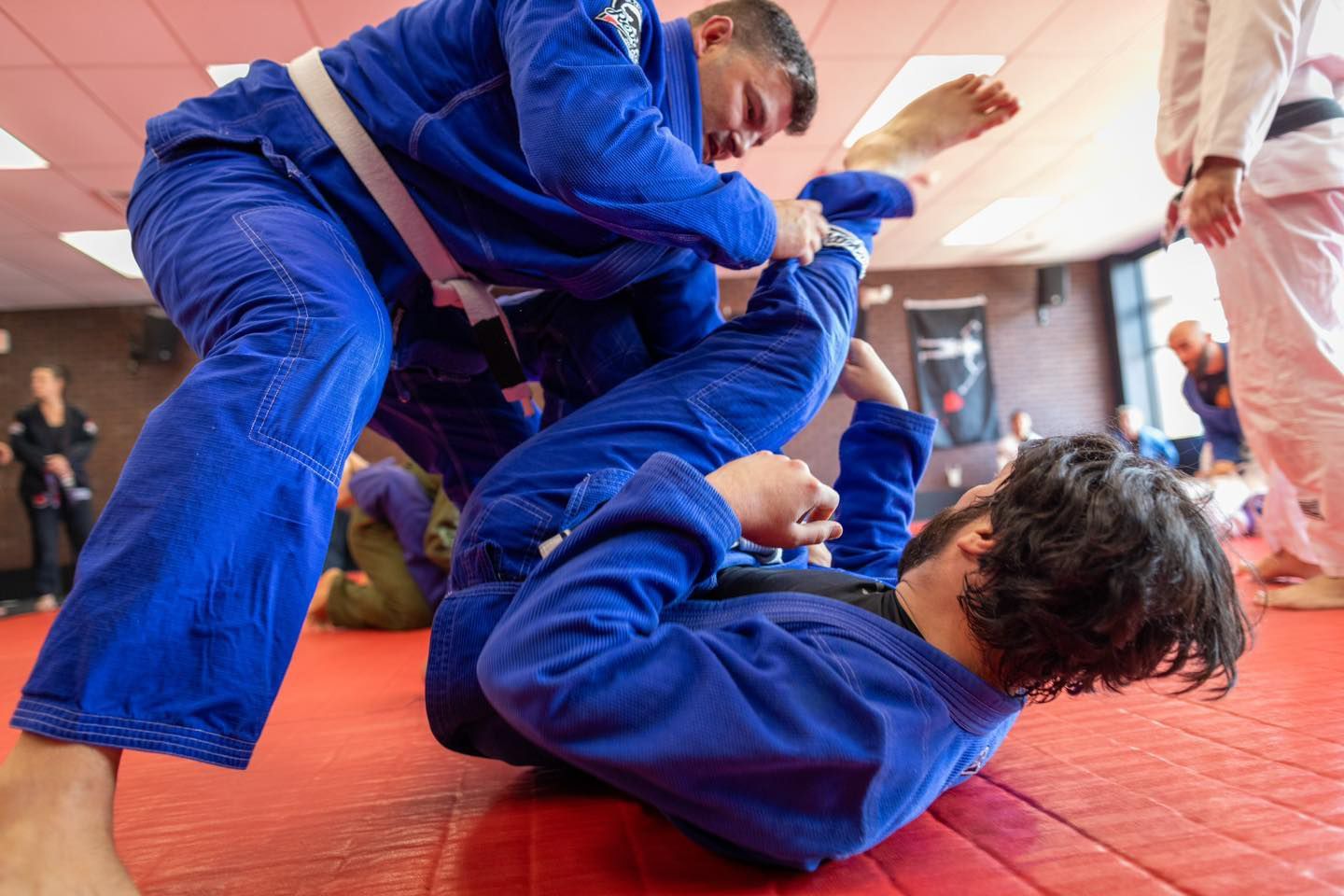
Brazilian Jiu Jitsu

Kettlebell HIIT
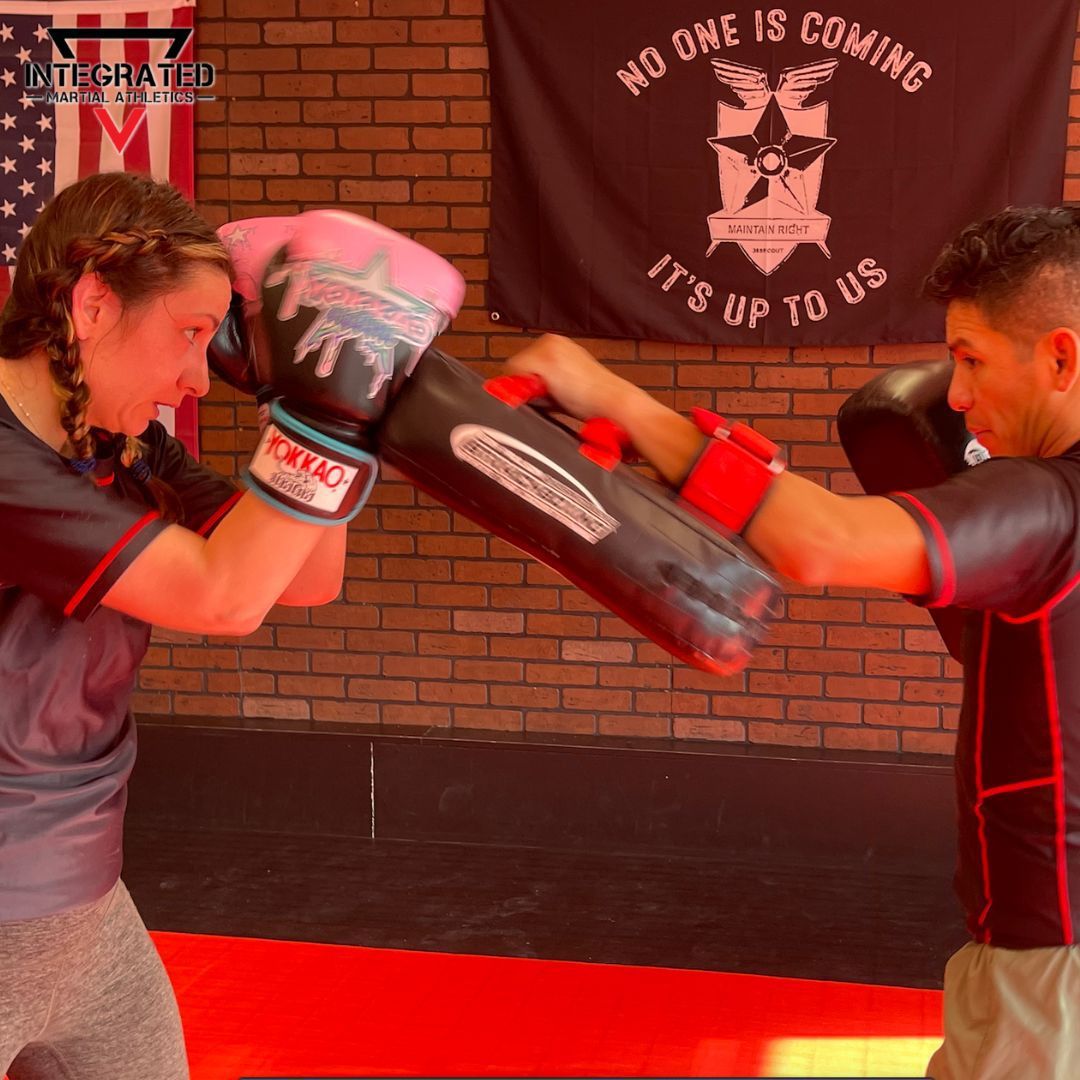
Adult Muay Thai
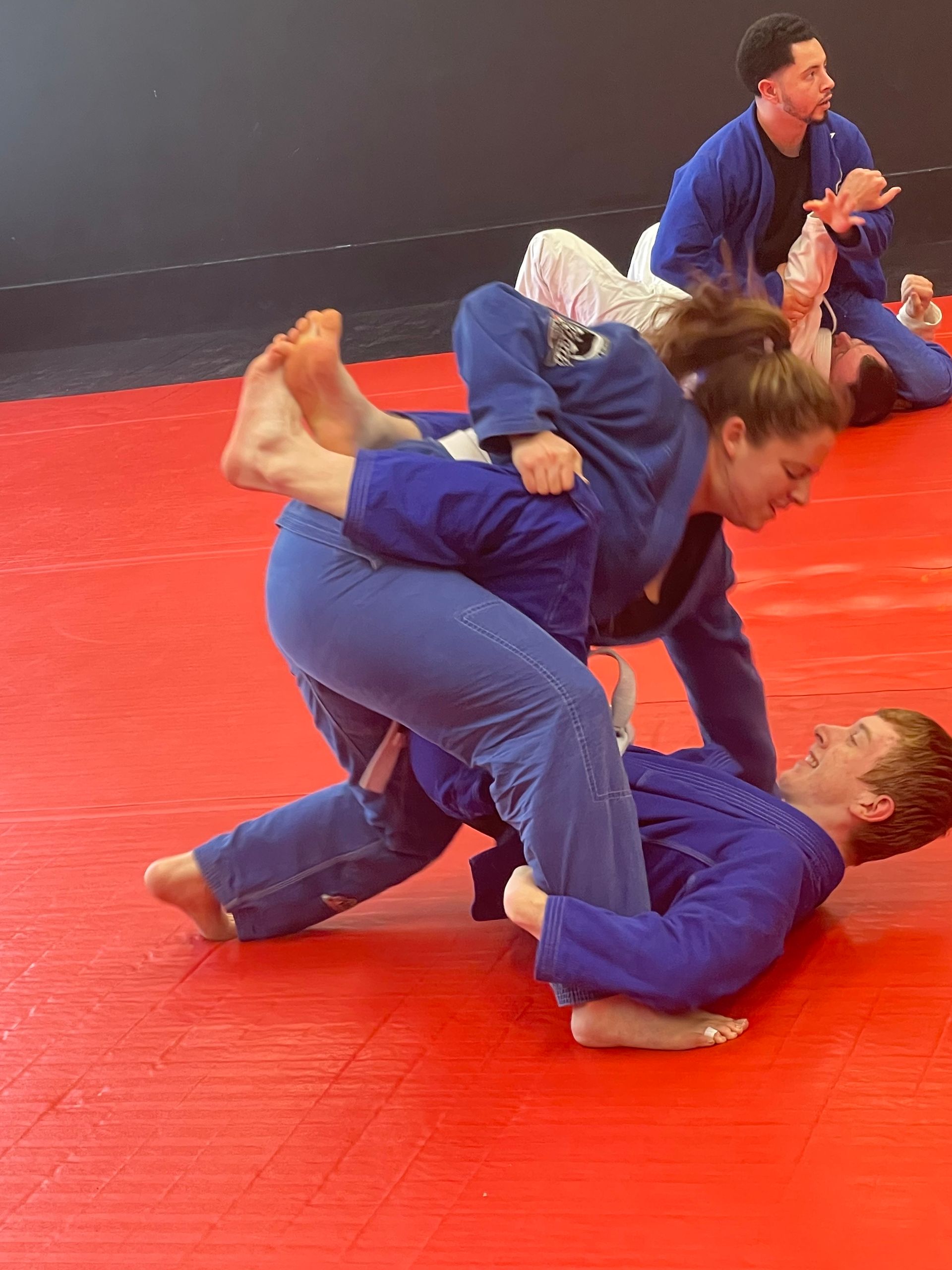
Private Lessons
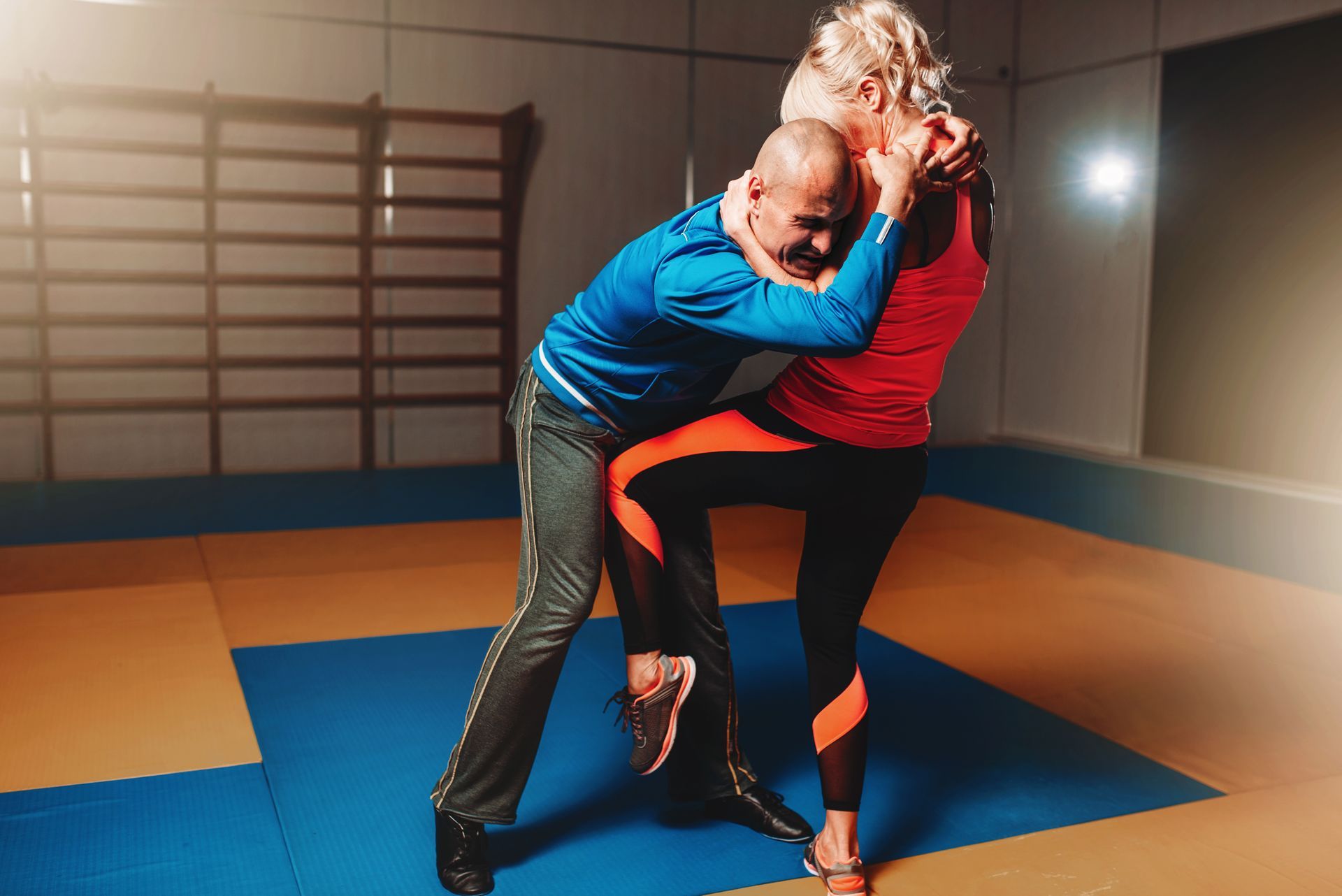
Corporate Self Defense Seminars
Everyone wants advanced martial arts techniques. But under pressure, fundamentals win. Learn why structure, movement, distance, timing, and control matter most.
Belts fade. Capability protects when life gets hard.
