
Hard to Kill Is a Way of Life: Building Strength, Resilience, and Capability After 40
Hard to Kill Is a Way of Life: Building Strength, Resilience, and Capability After 40
By Coach Chuck Giangreco | Integrated Martial Athletics
There’s a phrase you’ll hear frequently in martial arts, military, tactical training, and strength and conditioning circles.
Hard to kill.
It sounds aggressive.
Maybe even a little theatrical.
For some people, it conjures images of brutal workouts, extreme endurance challenges, or men pushing themselves to physical exhaustion.
But after more than three decades of studying and teaching martial arts, I’ve come to believe the phrase represents something much more important.
Being hard to kill isn’t about being the toughest person in the room.
It isn’t about winning every fight.
And it certainly isn’t about believing you’re invincible.
It’s about becoming a more difficult person for life’s challenges to defeat.
Physically. Mentally. Emotionally.
And when circumstances demand it, in the face of genuine danger.
At 51, this philosophy has become increasingly important to me.
I’m no longer interested in training simply to prove how much punishment I can endure.
I’m interested in developing and preserving the capabilities that allow me to live fully, remain independent, and be useful to the people who depend on me.
Because ultimately, the purpose of training isn’t just to become capable.
It’s to stay capable.
What Does It Really Mean to Be Hard to Kill?
Let’s establish something immediately.
No amount of martial arts training, physical conditioning, or mental toughness makes anyone invulnerable.
We all have limitations.
We all face the possibility of injury, illness, and circumstances beyond our control.
And eventually, every one of us must confront the realities of aging.
Being hard to kill doesn’t mean pretending those vulnerabilities don’t exist.
It means taking responsibility for the things we can influence.
Our physical strength.
Our cardiovascular fitness.
Our mobility.
Our ability to manage stress.
Our technical skills.
Our judgment.
Our willingness to prepare rather than simply hope things will work out.
These qualities don’t eliminate uncertainty.
They give us more options when uncertainty arrives.
That’s the foundation of a principle I teach at Integrated Martial Athletics:
Capability Creates Options.
The stronger, more skilled, better conditioned, and more adaptable you become, the greater your ability to respond to life’s physical and mental demands.
But capability isn’t one-dimensional.
And that’s where many training programs fall short.
Capability Is Built in Layers
Think about what it means to be physically capable.
Is it the ability to lift a heavy weight?
Run a fast mile?
Fight effectively?
Move without pain?
Recover quickly from strenuous activity?
All of those qualities matter.
But none tells the complete story.
A strong person who becomes exhausted after thirty seconds of intense effort has limitations.
A skilled martial artist who cannot maintain balance, mobility, or positional control has limitations.
An endurance athlete who lacks sufficient strength for ordinary physical tasks has limitations.
And someone who possesses exceptional physical abilities but loses emotional control under pressure may create problems that physical skill alone cannot solve.
Real capability is the integration of multiple qualities, not the pursuit of one attribute at the expense of everything else.
This is why my own training includes martial arts, kettlebell strength and conditioning, mobility work, and other forms of physical preparation.
Each develops a different aspect of capability.
Together, they provide a more complete foundation.
Strength: The Foundation of Physical Independence
Strength matters at every age.
But its importance becomes increasingly obvious as we get older.
The ability to lift, carry, push, pull, and control our own body weight affects far more than athletic performance.
It influences our ability to perform ordinary tasks.
Carry groceries.
Move furniture.
Climb stairs.
Get up from the floor.
Maintain balance.
Help someone who needs assistance.
For martial artists, strength also supports the ability to maintain positions, resist force, and perform demanding physical movements.
But I don’t believe strength should be developed solely for impressive numbers.
A personal record can be satisfying.
A larger number on the barbell can represent meaningful progress.
Yet the larger objective is to develop strength that contributes to a more capable life.
Strength is valuable because of what it allows you to do.
Conditioning: The Ability to Sustain Effort
There’s a difference between being strong and being able to continue performing when you’re tired.
Anyone who has spent meaningful time sparring, grappling, or working through demanding conditioning sessions understands this.
Fatigue changes everything.
Your movements become less precise.
Your decision-making may deteriorate.
Your ability to maintain posture, positioning, and control can suffer.
That’s why cardiovascular conditioning is an essential part of a complete training program.
But conditioning isn’t limited to how hard you can push during a workout.
It’s also about how efficiently you recover.
Can you sustain effort?
Can you regulate your breathing?
Can you recover sufficiently between demanding rounds or sets?
Can you return to normal activities without feeling completely destroyed?
At 51, I place considerable value on developing conditioning that supports both performance and recovery.
The objective isn’t simply to become exhausted. It’s to become more difficult to exhaust.
Mobility: Strength You Can Actually Use
Mobility is often treated as an accessory to training.
Something people address after they’ve finished the important work.
I see it differently.
If you possess strength but cannot move effectively through the ranges of motion required by your activities, your options become limited.
This becomes particularly relevant as we age.
Years of repetitive movement, accumulated injuries, sedentary habits, and neglected physical qualities can affect how comfortably and effectively we move.
Mobility training isn’t about achieving circus-level flexibility.
It’s about maintaining useful movement.
Can you squat?
Rotate?
Reach?
Change levels?
Move from standing to the ground and back again?
Can you perform these actions with control?
For martial artists, these abilities are especially important.
But they’re just as relevant to someone who wants to remain physically independent into their 60s, 70s, and beyond.
Movement is freedom. Losing it means losing options.
Martial Arts: Capability Under Pressure
Strength and conditioning provide an important physical foundation.
Martial arts add another dimension.
They require us to solve problems while another person actively interferes with our intentions.
That changes the nature of the challenge.
A heavy kettlebell doesn’t change its strategy because you performed the previous repetition correctly.
A resisting training partner does.
They adjust.
They counter.
They create pressure.
They exploit mistakes.
And they force you to adapt.
This is one reason I believe martial arts training can be so valuable throughout adulthood.
It develops more than physical attributes.
It challenges awareness, decision-making, coordination, emotional control, and the ability to function under pressure.
Technical Skill Matters More as We Age
When you’re young, strong, and athletic, it’s tempting to rely heavily on physical advantages.
Speed.
Explosiveness.
Endurance.
Raw strength.
Those attributes can be useful.
But they aren’t permanent.
As we get older, training intelligently becomes increasingly important.
Technical proficiency, efficient movement, positioning, timing, and sound decision-making allow us to make better use of the physical resources we possess.
This doesn’t mean older martial artists should abandon strength or conditioning.
Quite the opposite.
It means those qualities should support an increasingly refined technical game.
The objective isn’t to fight aging by pretending you’re still twenty-five.
It’s to become the most capable version of yourself at the age you are now.
Training Should Challenge You Without Consuming You
One of the most common mistakes I see is confusing productive training with punishment.
People believe that if a workout doesn’t leave them completely exhausted, it wasn’t effective.
If they aren’t sore, they didn’t work hard enough.
If they aren’t constantly pushing their limits, they’re somehow falling behind.
But adaptation doesn’t occur simply because you suffered.
Training provides a stimulus.
Recovery allows the body to respond to that stimulus.
And consistency allows those adaptations to accumulate over time.
There are times to train hard.
There are times to push your limits.
And there are times when the most productive decision is to reduce intensity, address technical weaknesses, or recover.
This becomes particularly important for adults balancing training with demanding careers, families, and other responsibilities.
The goal is not to win today’s workout at the expense of next month’s training.
The goal is to keep showing up, improving, and remaining capable for decades.
The Hardest Part of Training After 40 Isn’t Always Physical
There’s another challenge that deserves attention.
Life.
At 40, 50, or 60, most people aren’t organizing their entire existence around training.
They’re managing careers.
Raising families.
Supporting aging parents.
Handling financial responsibilities.
Navigating stress.
And dealing with the inevitable demands that come with adulthood.
Training has to exist within that reality.
For many years, my own professional life has involved physically demonstrating techniques, holding pads, teaching classes, and working directly with students.
That activity creates demands beyond my personal workouts.
And the mental responsibilities of coaching, running a business, and supporting other people don’t disappear when the training session ends.
I’ve learned that these demands must be considered when evaluating how much additional work makes sense.
The body doesn’t maintain separate recovery accounts for professional stress, family responsibilities, and exercise.
They interact.
A training program that looks reasonable on paper may become excessive when combined with everything else happening in someone’s life.
This is why effective training requires judgment.
Not just discipline.
Recovery Is Part of Being Hard to Kill
Recovery isn’t weakness.
It isn’t laziness.
And it isn’t something you earn only after exhausting yourself.
It’s part of the process that allows you to continue developing.
Sleep matters.
Nutrition matters.
Managing training volume matters.
Addressing injuries matters.
And recognizing when your body needs a different approach matters.
As we age, ignoring these factors becomes increasingly expensive.
You may be able to push through fatigue for a while.
But constantly overriding warning signs isn’t necessarily evidence of toughness.
Sometimes it’s evidence of poor judgment.
A capable person should understand when to push and when to adjust.
That distinction applies just as much to martial arts as it does to strength training.
Being hard to kill requires being smart enough not to destroy yourself in the process.
Resilience Is More Than Physical Toughness
The phrase hard to kill also carries a mental and emotional dimension.
Life will challenge you in ways that have nothing to do with fighting.
You will experience setbacks.
Disappointments.
Loss.
Stress.
Uncertainty.
There will be times when circumstances don’t unfold according to your expectations.
And no amount of physical preparation can prevent all of those experiences.
But training can provide opportunities to practice responding to difficulty.
When a training partner puts you in an uncomfortable position, you learn to manage the problem rather than immediately surrender to panic.
When a demanding conditioning session becomes uncomfortable, you practice maintaining technique and composure.
When progress slows, you learn the value of patience and consistency.
These lessons can extend beyond the academy.
Not because martial arts magically solve life’s problems.
But because they provide repeated opportunities to develop discipline, self-awareness, and the ability to continue working through manageable adversity.
Resilience isn’t the absence of difficulty.
It’s the ability to respond constructively when difficulty arrives.
And sometimes resilience means recognizing that you need help, rest, or a change of direction.
Why Longevity Is the Ultimate Training Goal
Imagine two martial artists.
The first trains with extraordinary intensity for five years.
Every session is a battle.
Every workout is a test.
Every opportunity to push harder becomes an obligation.
Eventually, accumulated injuries, exhaustion, or competing responsibilities force them to stop.
The second trains seriously but takes a longer view.
They build strength.
Develop technical proficiency.
Maintain conditioning.
Address mobility.
Adjust their training when necessary.
And continue developing for twenty or thirty years.
Who ultimately becomes more capable?
There’s no guarantee in either scenario.
But I know which approach I’d rather build my future around.
Because at 51, I’m not interested in collecting a few more years of impressive workouts followed by decades of physical decline.
I want to keep training.
Keep teaching.
Keep learning.
Keep moving.
And remain as physically and mentally capable as circumstances allow.
That requires thinking beyond the next training session.
Longevity isn’t the opposite of intensity. It’s what allows meaningful intensity to remain part of your life.
How to Start Building a Hard-to-Kill Lifestyle
You don’t need to become a professional fighter.
You don’t need an extreme training schedule.
And you don’t need to spend every waking hour in the gym.
You need a practical approach that develops the qualities most relevant to your life.
Start with a few important questions.
Can I move my own body effectively?
If getting up from the floor, climbing stairs, or changing direction is difficult, those are meaningful areas to improve.
Am I strong enough for the physical demands of my life?
Developing and maintaining useful strength should be a priority.
Can I sustain physical effort?
Build cardiovascular fitness through activities appropriate for your abilities and current health.
Can I remain composed under pressure?
Seek training environments that challenge you progressively while emphasizing sound decision-making and control.
Am I developing practical skills?
For those interested in personal protection, learn from qualified instructors who understand both the physical and decision-making aspects of martial arts.
Am I recovering well enough to continue?
Your training should contribute to your long-term health and function rather than consistently undermine them.
You don’t have to fix everything at once.
Identify your most important limitations.
Develop a reasonable plan.
Measure progress.
And keep improving.
Because capability isn’t built through occasional heroic efforts.
It’s built through consistent preparation.
The Real Meaning of Hard to Kill
Eventually, every one of us will face limitations we cannot overcome through training alone.
That’s reality.
The purpose of this philosophy isn’t to deny vulnerability.
It’s to take responsibility for the capabilities we can develop and preserve.
To remain strong enough to be useful.
Conditioned enough to sustain effort.
Mobile enough to move freely.
Skilled enough to respond intelligently.
Disciplined enough to prepare.
And humble enough to recognize that there’s always more to learn.
Being hard to kill isn’t about seeking danger.
It’s about becoming more prepared for life’s demands while refusing to surrender your capabilities unnecessarily.
At 51, that’s what motivates me.
Not the need to prove I’m the toughest person in the room.
But the determination to remain capable for as long as possible.
Because strength matters.
Skill matters.
Resilience matters.
And the freedom those qualities provide matters.
Train for the life you want to remain capable of living.
Capability Creates Options.
Longevity Preserves Them.
Be The Shield.
About the Author
Coach Chuck Giangreco is the owner and head coach of Integrated Martial Athletics in Eastchester, New York.
With more than three decades of martial arts experience, Coach Chuck is a Brazilian Jiu-Jitsu black belt, a Full Instructor under Guro Dan Inosanto, and a certified personal trainer through the National Academy of Sports Medicine.
His approach combines Brazilian Jiu-Jitsu, Muay Thai, Filipino Martial Arts, Jeet Kune Do, kettlebell training, and practical strength and conditioning to help adults develop real-world capability.
Train With Me
Learn With Me
Connect
Instagram | Facebook — Integrated Martial Athletics | YouTube
Real People. Real Martial Arts. Real Training.
Choose a Class Below!
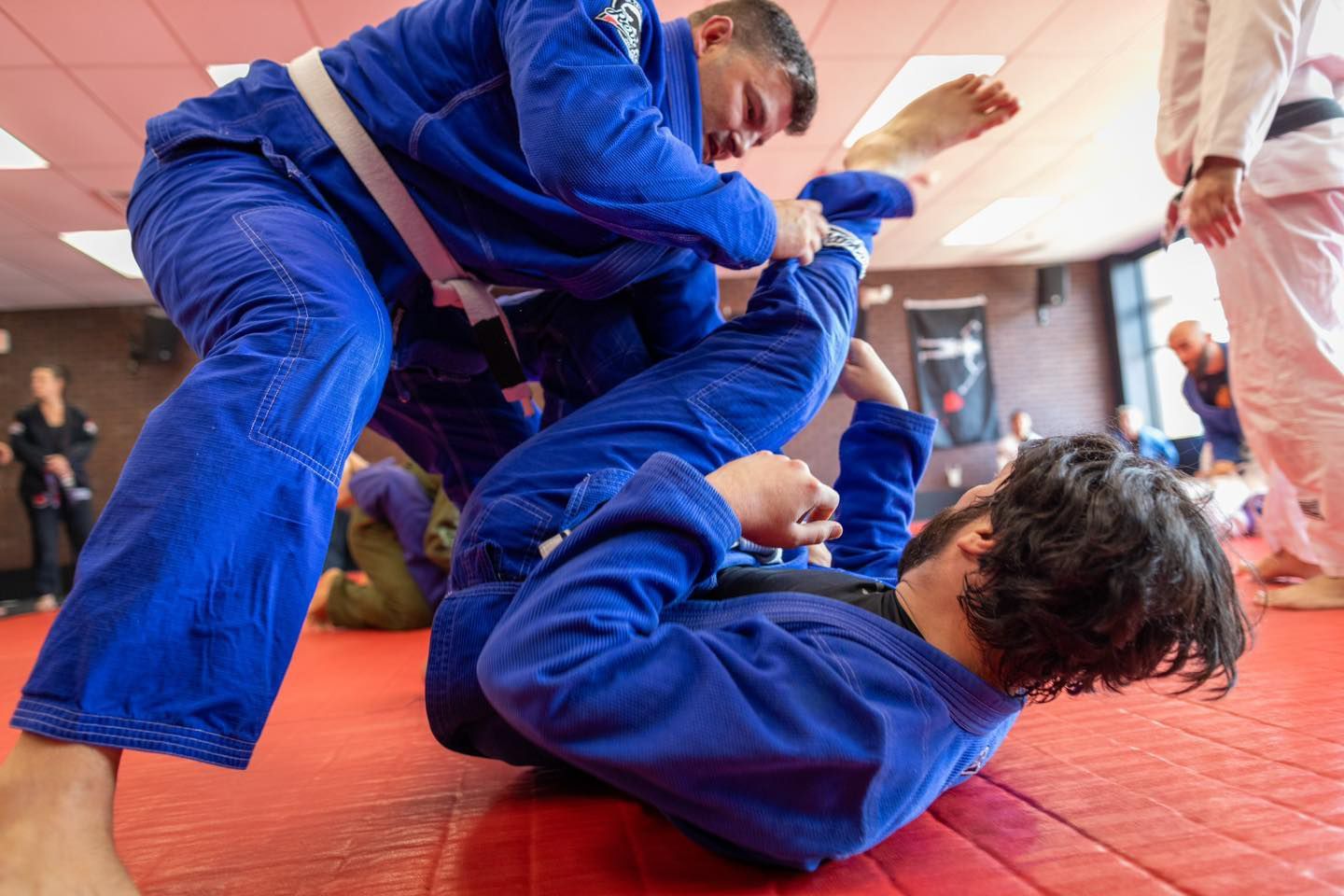
Brazilian Jiu Jitsu

Kettlebell HIIT
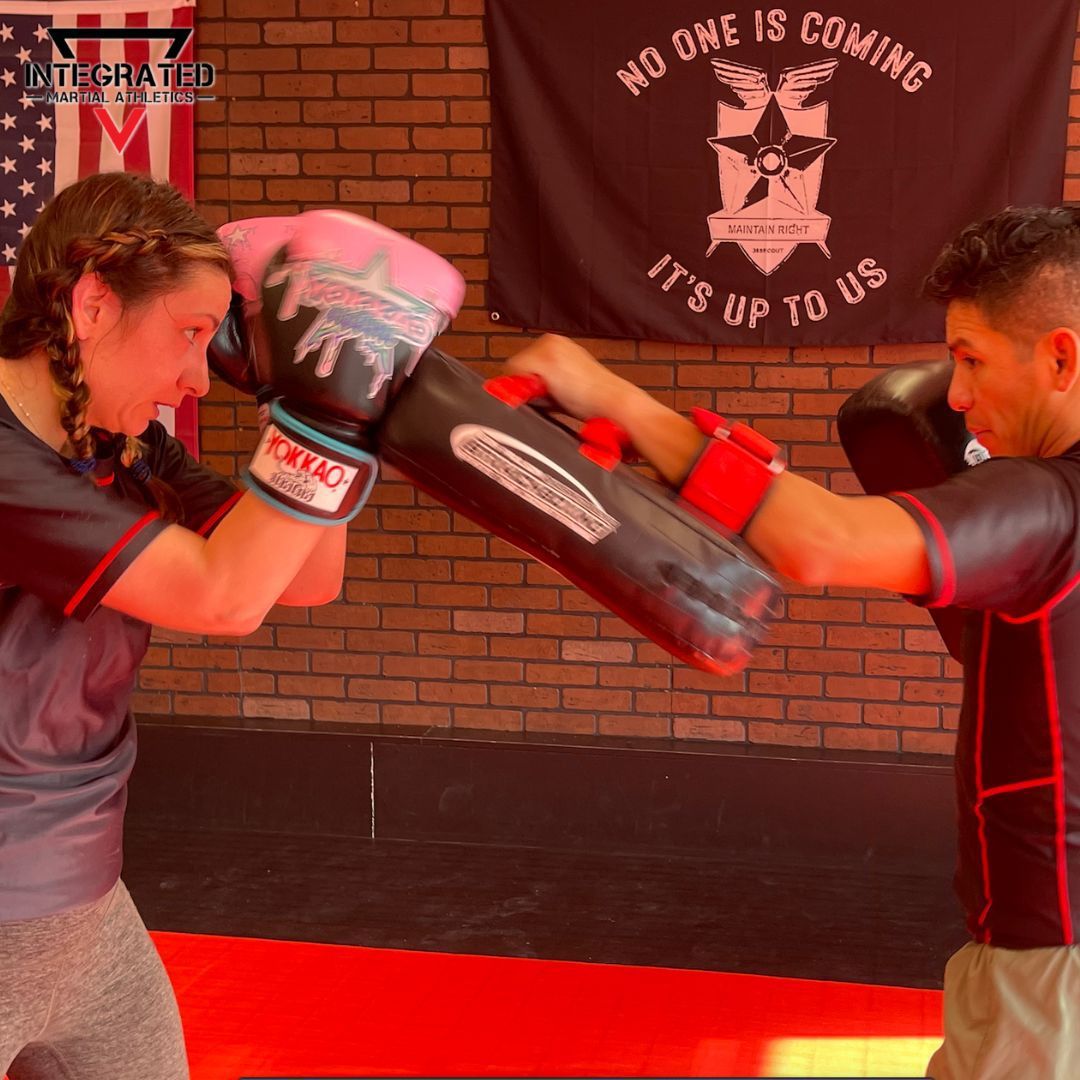
Adult Muay Thai
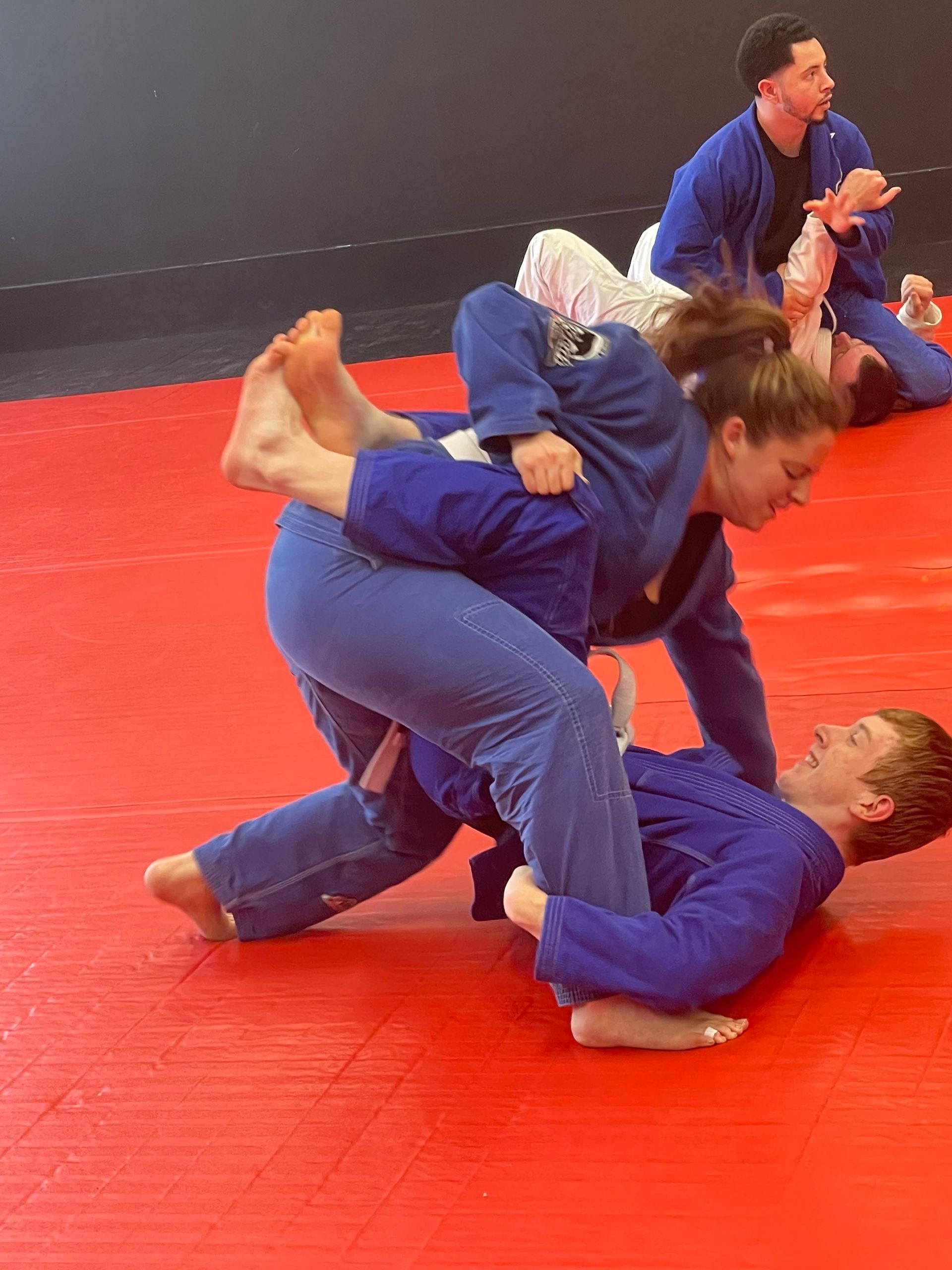
Private Lessons
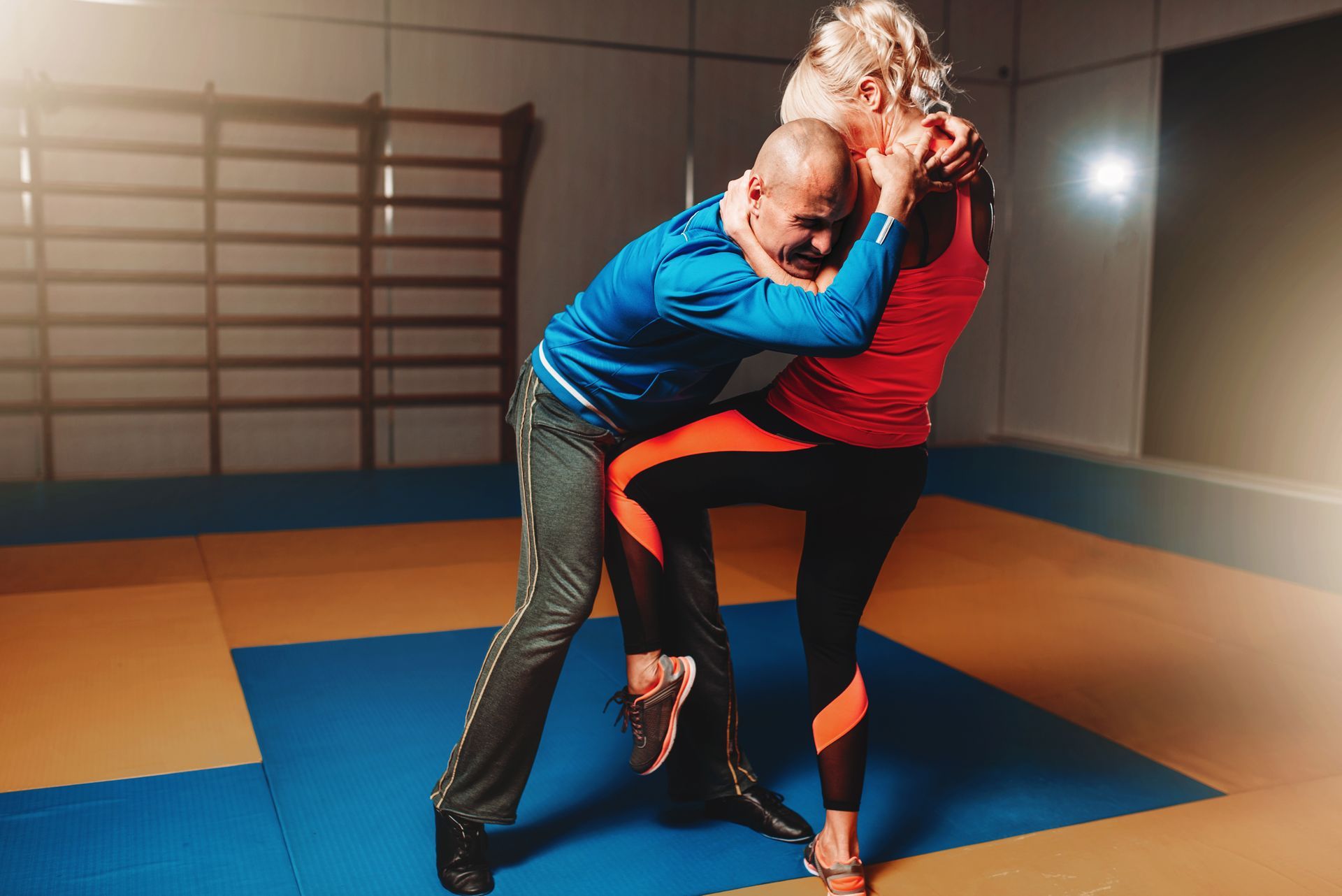
Corporate Self Defense Seminars


