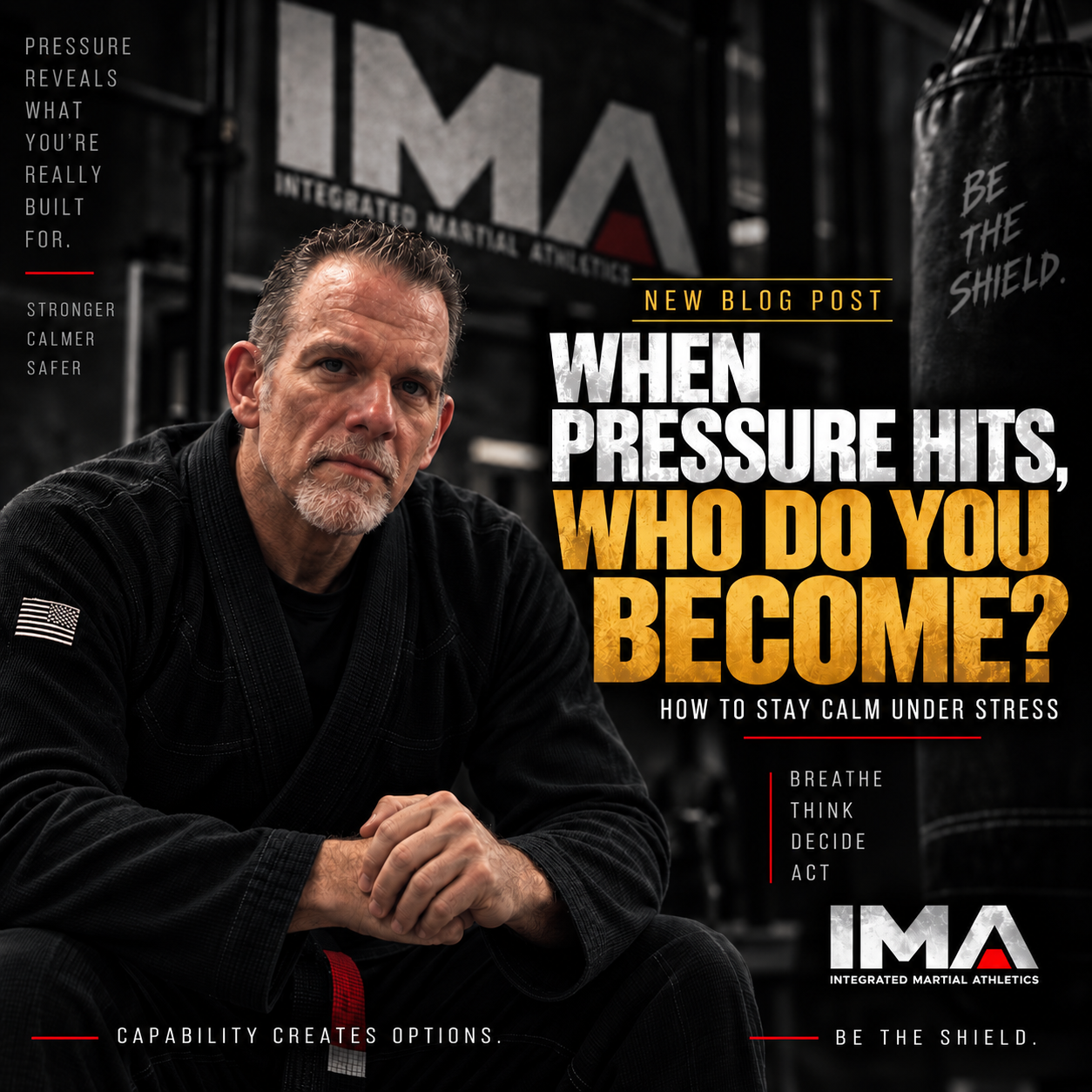
Why Hard Work Stops Working After 40 (And What Replaces It)
The Way of Skill — Why Mastery Beats Motivation Every Time
The Seven Ways II: The Way of Skill
Why Skill, Not Intensity, Sustains Growth—Especially After 40
If the first failure of most New Year resolutions is physical, the second is psychological.
Men don’t quit because they’re weak. They quit because they mistake effort for progress.
They work hard.
They push.
They grind.
And eventually, they stall.
What’s missing isn’t discipline. It’s skill.
Skill is what endures when motivation fades.
Skill is what allows progress without burnout.
Skill is what separates men who last from men who flame out.
This is the second way: The Way of Skill.
Strength Fades. Skill Accumulates.
Strength is perishable. It rises quickly and declines quietly—especially after 40.
Miss a few weeks, and it slips.
Ignore recovery, and it breaks.
Skill is different.
Skill accumulates.
It refines movement.
It reduces wasted effort.
It allows calm decision-making under pressure.
Strength demands constant replenishment.
Skill embeds itself.
This is why experienced craftsmen outperform younger laborers.
Why seasoned professionals outperform louder competitors.
Why older martial artists often move with more authority than younger, stronger ones.
Skill is sovereignty expressed efficiently.
Why Most Men Stall After the Beginner Phase
Early progress is intoxicating. Anything works at first.
More effort leads to visible gains.
More sweat feels like growth.
More intensity earns validation.
But eventually, the curve flattens. This is where most men make a critical error:
They double down on effort instead of upgrading skill.
They push harder instead of refining.
They chase fatigue instead of precision.
They confuse being busy with being effective.
Skill requires patience.
Patience feels like weakness to men trained on urgency. So they abandon the process just as it becomes meaningful.
Skill Is Calm Under Constraint
Skill is not knowledge.
Skill is behavior under pressure.
Anyone can perform when conditions are ideal.
Skill shows up when:
you’re tired
you’re frustrated
you’re behind
your plan fails
Skill is what remains when strength, energy, and confidence fluctuate. This is why skill correlates strongly with maturity.
You cannot rush it.
You cannot fake it.
You cannot shortcut it.
You earn it by staying engaged when chaos appears.
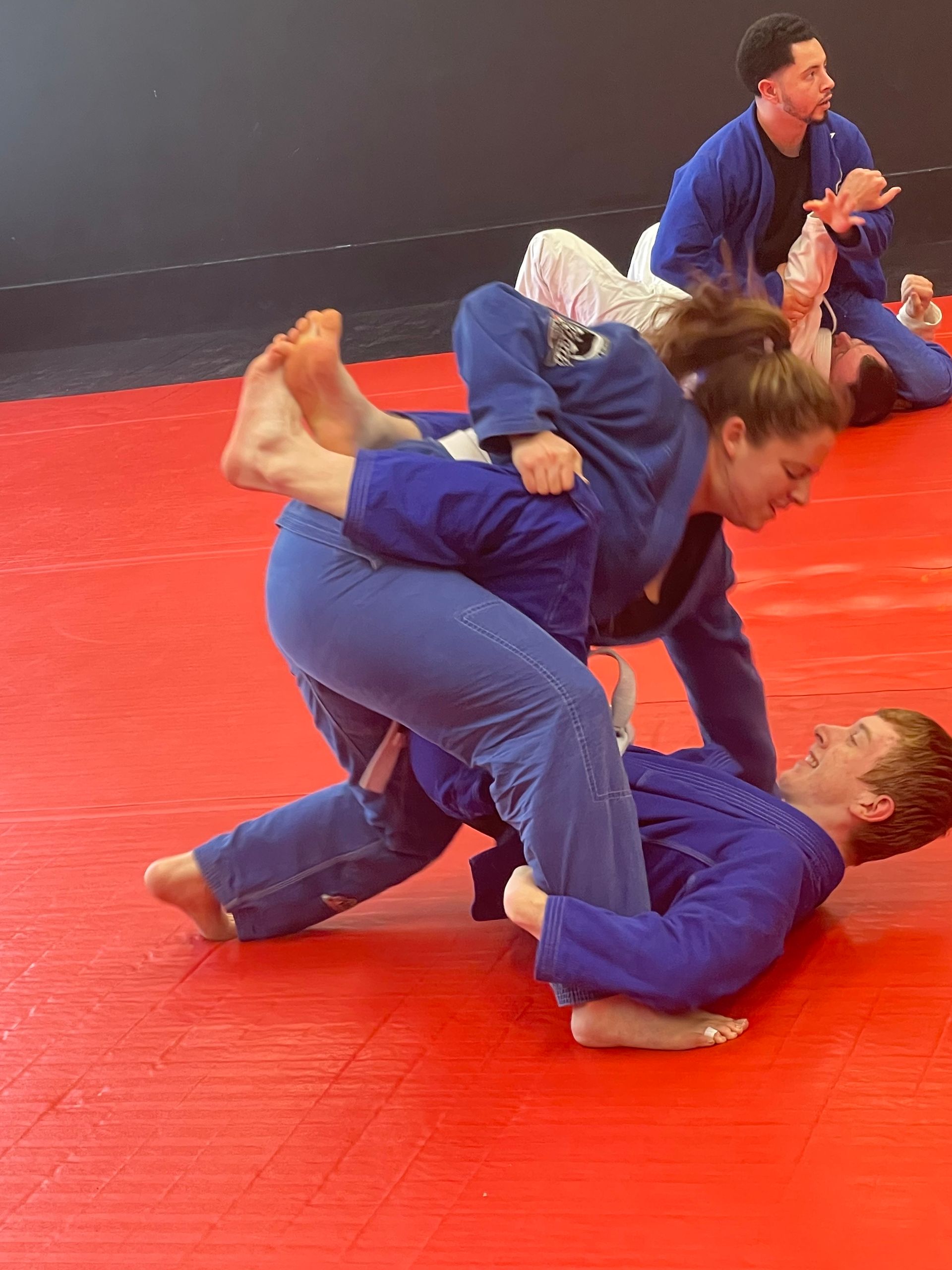
Why Martial Arts Are Essential for Skill
Skill cannot be developed in isolation.
It requires resistance, unpredictability, and consequence. This is where most personal development systems fail. They emphasize habits, routines, and mindset—but avoid environments that push back.
Martial arts do not allow that escape.
They place you in situations where:
timing matters
positioning matters
emotional control matters
ego is punished immediately
You cannot intellectualize your way out of a bad position.
You cannot motivational-speech your way through fatigue.
You cannot hide when another human is applying pressure.
That is why martial arts are irreplaceable for developing real skill.
They demand application under constraint, not just understanding.
Why Martial Arts—Not Just “Training”
Lifting weights builds strength. Conditioning builds endurance. Both are important.
Neither teaches decision-making under pressure.
Martial arts demand:
reading another person in real time
adapting when plans fail
regulating emotion under stress
accepting immediate feedback
These are not fitness traits. They are skill behaviors.
This becomes even more important after 40.
As recovery costs rise and margins shrink, unskilled effort becomes dangerous. Martial arts teach efficiency—how to do more with less, calmly and deliberately.
That efficiency carries everywhere:
work
leadership
relationships
conflict
stress management
The mat becomes a laboratory for mastery.
The Discipline of Slowing Down
One of the hardest transitions for driven men is learning to slow down.
Slowing down feels like weakness.
It feels like wasted time.
It feels like losing ground.
But skill lives in controlled repetition, not chaos.
Refinement requires:
attention
feedback
adjustment
repetition without drama
Men who never slow down burn out. Men who slow down learn to last. This applies beyond training.
Skill changes how you:
communicate
plan
respond to stress
handle conflict
Skill is the art of doing less—better.
Skill Protects You After 40
After 40:
mistakes cost more
injuries linger longer
emotional overreactions compound
Skill becomes protection.
Skill:
reduces impact
preserves joints
manages fatigue
prevents panic
This is not decline. It’s evolution.
Men who embrace skill-based development often find they are more capable at 45 than they were at 30—because they no longer rely on chaos.
Skill Builds Quiet Confidence
There is a confidence that comes from skill.
Not bravado.
Not hype.
Not self-talk.
It’s the confidence of knowing:
you can adapt
you can recover when plans break
you can operate without perfect conditions
This confidence is stable.
It doesn’t spike.
It doesn’t crash.
It doesn’t need applause.
It’s internal—and therefore durable.
The Difference Between Being Busy and Being Effective
Most men confuse movement with progress.
They fill schedules.
They chase productivity.
They stay busy.
Skill asks different questions:
What matters most?
Where is effort wasted?
What creates leverage?
Skill is strategic.
It’s the difference between:
reacting and responding
forcing and guiding
rushing and arriving
This is why skill scales across life.
A man who develops skill in one domain often becomes more capable everywhere else—not because tasks are identical, but because his relationship to effort changes.
Skill Requires Feedback, Not Comfort
Skill grows through feedback.
Not affirmation.
Not protection.
Not comfort.
Feedback demands:
humility
honesty
willingness to adjust
Men who avoid feedback stagnate. Men who seek it sharpen.
Martial arts provide feedback without malice—and without negotiation.
That’s why they work.
The Long Game of Mastery
Skill rewards patience.
It favors:
consistency over intensity
precision over volume
refinement over urgency
Men committed to mastery often look unimpressive early—and formidable later.
They don’t peak fast.
They compound quietly.
Skill is how you play a long game in a short-term world.
Why This Is the Second Way
The body comes first. Skill comes second.
Without the body, skill has no expression. Without skill, the body breaks down.
The first way builds capacity.
The second way refines it.
Everything that follows depends on this pairing.
Closing: Choose Mastery Over Noise
This year does not need more effort. It needs better effort.
Slow down.
Refine.
Learn.
Repeat.
Choose mastery over urgency.
Choose skill over spectacle.
Choose progress you can sustain.
For men over 40, martial arts remain one of the few disciplines that demand real skill under pressure—and reward those willing to train honestly.
Be deliberate.
Be precise.
Build skill.
— Coach Chuck
Integrated Martial Athletics
About the Author
Coach Chuck Giangreco is the founder and head coach of Integrated Martial Athletics, an adults-only martial arts academy focused on long-term capability, discipline, and personal sovereignty. He is a Brazilian Jiu-Jitsu black belt and instructor in Muay Thai, Jeet Kune Do concepts, and Filipino Martial Arts, with decades of experience training men to perform calmly and competently under pressure.
Chuck’s writing and coaching emphasize physical competence, responsibility, and sustainable training—especially for men over 40 who refuse to trade strength for comfort. His work blends martial arts, strength training, and timeless principles drawn from combat, philosophy, and real-world experience.
Train. Learn. Stay Connected.
📍 YouTube
Integrated Martial Athletics
https://www.youtube.com/@IntegratedMartialAthletics
@integratedmartialathletics
@coachchuckgiangreco
Integrated Martial Athletics
📍 Website
https://www.integratedmartialathletics.com
Choose a Class Below!
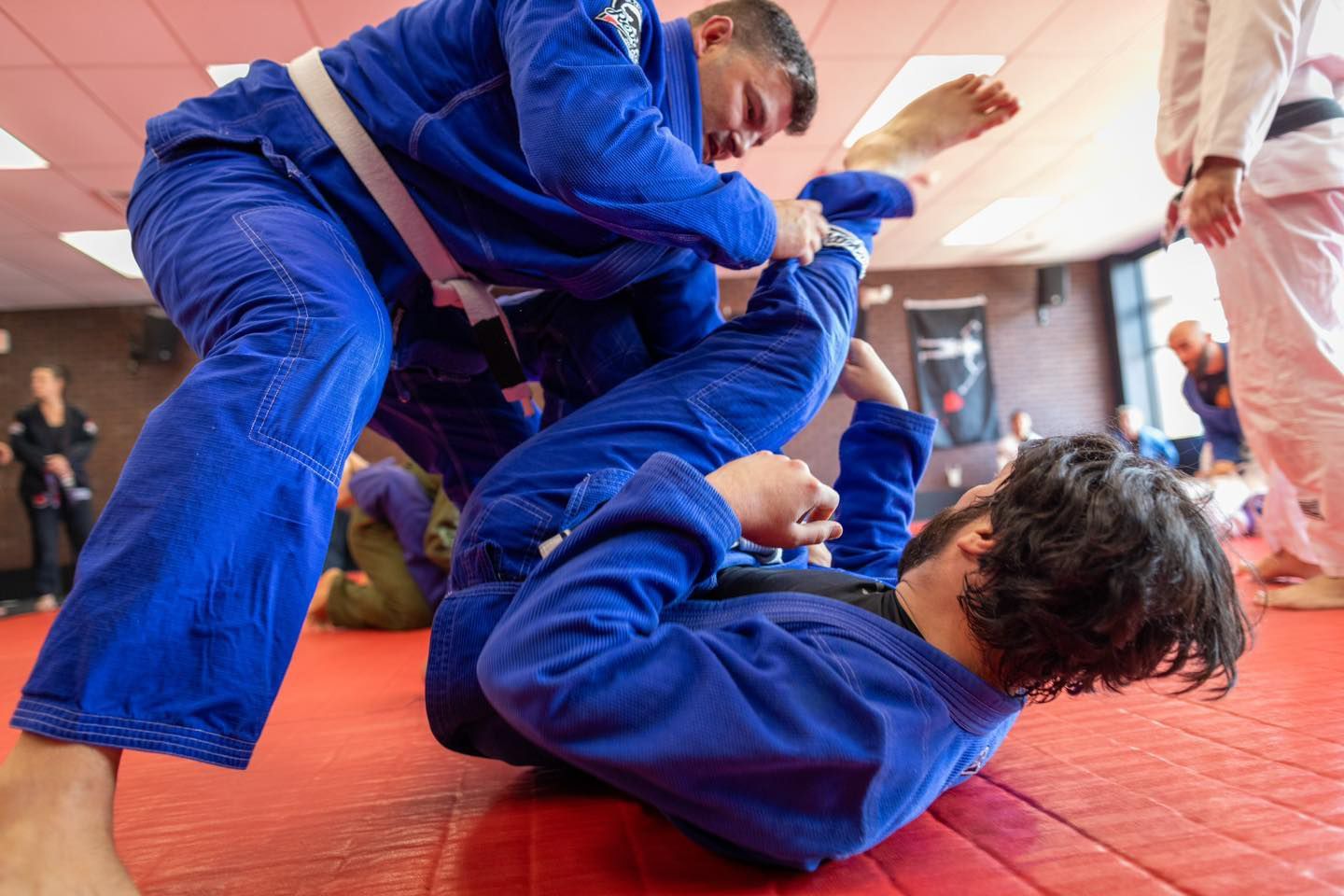
Brazilian Jiu Jitsu

Kettlebell HIIT
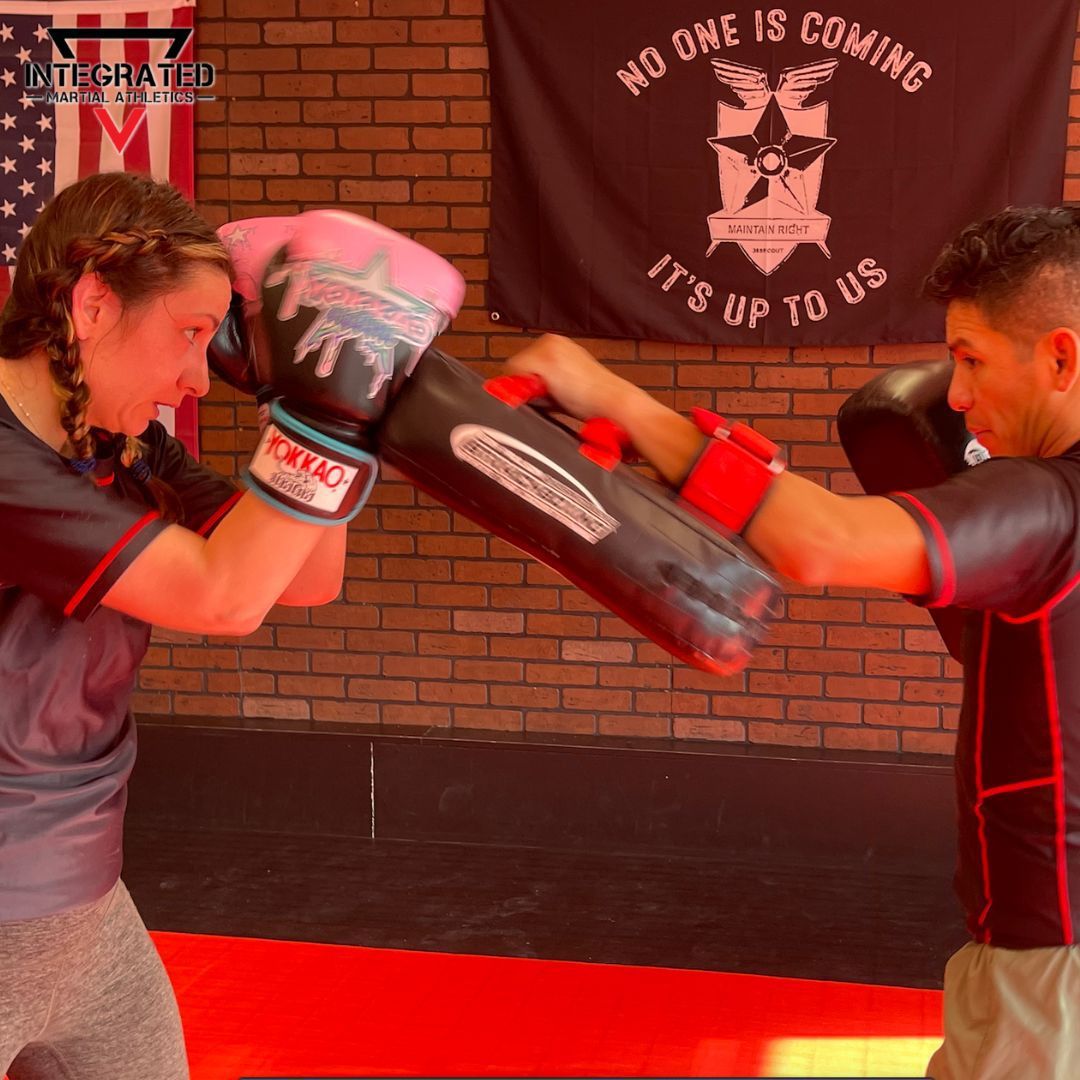
Adult Muay Thai
Private Lessons
Corporate Self Defense Seminars