The Way of Regulation — Why Discipline Fails Without Emotional Control
The Way of Regulation — Why Discipline Fails Without Emotional Control
The Seven Ways IV: The Way of Regulation
Why the Nervous System Decides Before the Mind Can Vote
If the first failures are physical, and the second are technical, and the third are moral, then the fourth is neurological.
Most men don’t break because they lack will.
They break because their nervous system goes into debt.
They know what to do. They even want to do it. But under pressure, their breathing shortens.
Their vision narrows.
Their emotions surge.
And their behavior changes.
Not because they chose it to.
But because their body decided first.
This is the fourth way: The Way of Regulation—the discipline of controlling your internal state so pressure does not make decisions for you.
The Myth of “Mental Toughness”
Modern culture loves the phrase “mental toughness.”
It imagines grit as something that lives in the mind— a heroic act of willpower, detached from physiology.
But the mind does not operate in isolation.
When heart rate spikes, when breath becomes shallow, when adrenaline floods the system, the prefrontal cortex—the part of the brain responsible for reasoning—goes offline.
You don’t think your way through chaos.
You regulate your way through it. Or you don’t.
Why Men “Know Better” and Still React Poorly
Every man has had this experience: You promise yourself you’ll stay calm. You intend to respond, not react. You rehearse restraint.
And then stress hits.
A confrontation.
A deadline.
A physical struggle.
A moment of humiliation or threat.
And suddenly: your voice changes, your posture tightens, your patience vanishes, your decision-making degrades
Later, you say, “That wasn’t me.” It was you.
Just you unregulated.
Regulation Is the Foundation of Discipline
Discipline is not a moral trait. It is a state-dependent capacity.
When regulated:
you can delay gratification
you can choose patience
you can think strategically
you can absorb discomfort without panic
When dysregulated:
you rush
you force
you overreact
you quit or explode
Most men try to build discipline on top of an untrained nervous system. That structure collapses under load.
Why Martial Arts Are a Laboratory for Regulation
This is where martial arts become indispensable.
Not for violence.
Not for ego.
Not for spectacle.
For nervous system training under pressure.
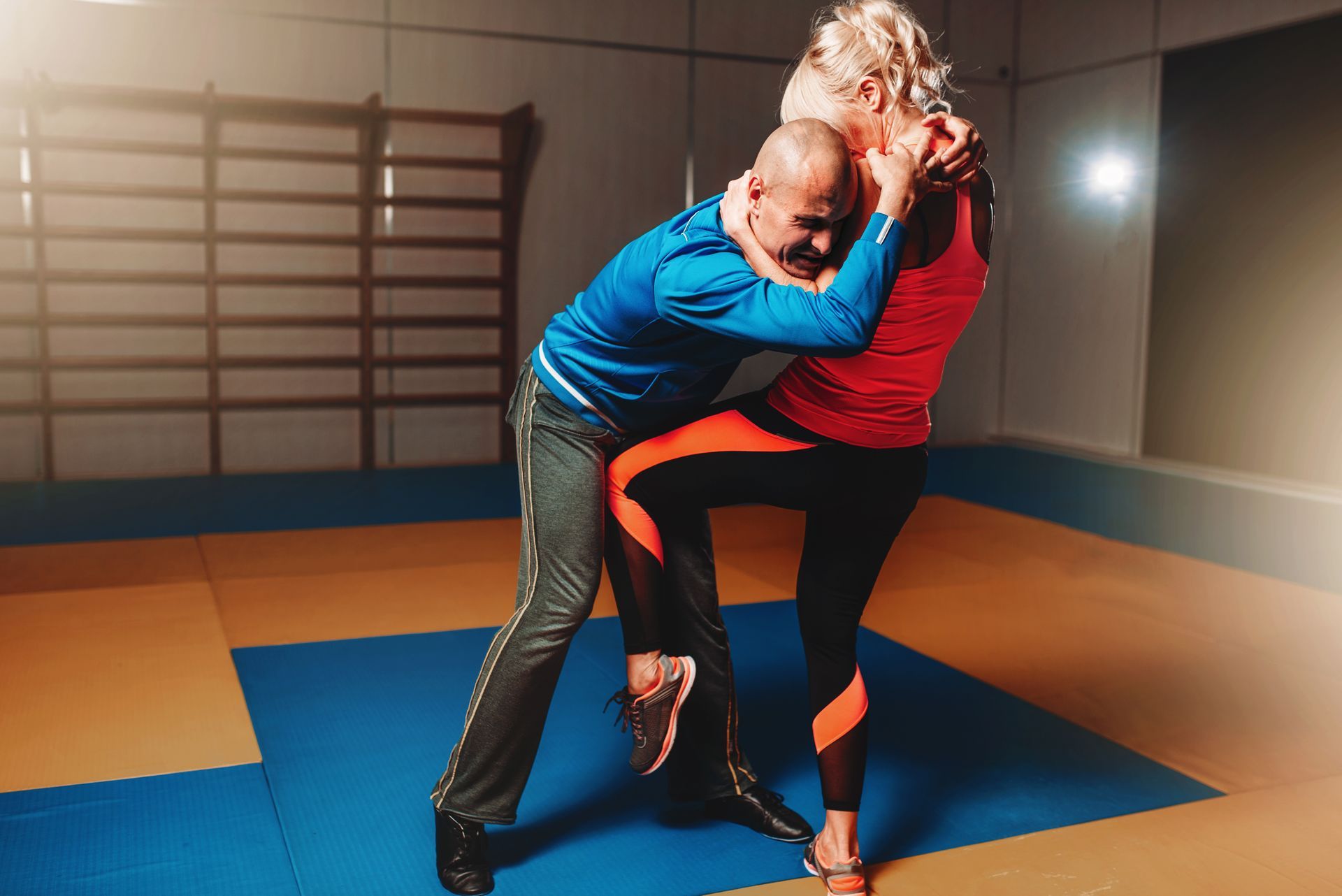
On the mat: your heart rate spikes, your breathing is restricted, your body is compressed, your sense of control is threatened.
And you must still:
think
feel
decide
act
You cannot meditate your way out of a choke. You cannot affirm your way through fatigue.
You must regulate.
Slow the breath.
Relax unnecessary tension.
Maintain awareness while uncomfortable.
This is emotional discipline in its most honest form.
The Difference Between Composure and Suppression
Many men confuse regulation with suppression.
Suppression says:
“Don’t feel it.”
Regulation says:
“Feel it—and stay functional.”
Suppression creates:
brittle calm
delayed explosions
emotional debt
Regulation creates:
stable presence
clear perception
adaptive response
A regulated man is not numb. He is available to the moment without being ruled by it.
Breath Is the Steering Wheel
The most direct access point to the nervous system is the breath.
When breathing is:
fast and shallow → panic rises
slow and deep → arousal decreases
You do not calm the mind and then the body follows.
You calm the body and the mind is allowed to return.
This is why under pressure:
exhales lengthen
tension releases
vision widens
options reappear
Breath is not a wellness technique. It is operational control.
Fatigue Reveals Emotional Habits
Fatigue strips away performance.
What remains is regulation—or the lack of it.
When tired:
some men rush
some men freeze
some men become angry
some men collapse inward
These are not character flaws. They are trained nervous system patterns. And anything trained can be retrained.
Regulation in Life, Not Just Training
The mat is a microcosm. The same patterns appear:
in conflict
in leadership
in parenting
in business
in crisis
The man who cannot regulate:
escalates
withdraws
forces
avoids
The man who can regulate:
listens
holds space
delays reaction
chooses timing
Regulation is what allows wisdom to express itself. Without it, knowledge is useless.
Why This Becomes Critical After 40
With age:
recovery slows
emotional stakes increase
consequences compound
A dysregulated 25-year-old can often muscle through mistakes. A dysregulated 45-year-old pays more dearly:
injuries last longer
relationships fracture faster
professional errors cost more
Regulation is no longer optional. It becomes protective equipment.
Training Regulation Deliberately
Regulation is not built through affirmations.
It is built through graduated exposure to stress with control.
This means:
controlled breathing under load
posture under fatigue
decision-making while uncomfortable
returning to calm after spikes
Martial arts provide this naturally when trained intelligently.
Not recklessly.
Not for ego.
But for state control.
The Cost of Emotional Debt
Unregulated emotion accumulates like interest.
Irritation becomes resentment.
Anxiety becomes avoidance.
Anger becomes bitterness.
Men who never learn to regulate end up:
chronically tense
easily provoked
mentally exhausted
spiritually thin
They are always “on edge,” even at rest.
Regulation is how you come back to baseline. And baseline is where judgment lives.
Why This Is the Fourth Way
The body provides capacity. Skill provides efficiency. Cause and effect provides honesty. Regulation provides control.
Without it:
the body panics
skill collapses
responsibility erodes
With it:
pressure becomes information
fatigue becomes manageable
stress becomes navigable
This is where men stop being driven by circumstance and start directing themselves.
Closing: Calm Is Not Passive
Calm is not weakness.
Calm is command of the internal environment.
It is the ability to remain present when others rush.
To remain precise when others force.
To remain aware when others narrow.
This year does not need louder promises.
It needs steadier men.
Train your breath.
Train your posture.
Train your presence under pressure. Because the moment you lose regulation, you lose the right to call your actions deliberate.
Be steady.
Be composed.
Train the nervous system.
— Coach Chuck
Integrated Martial Athletics
About the Author
Coach Chuck Giangreco is the founder and head coach of Integrated Martial Athletics, an adults-only martial arts academy focused on long-term capability, discipline, and personal sovereignty. He is a Brazilian Jiu-Jitsu black belt and instructor in Muay Thai, Jeet Kune Do concepts, and Filipino Martial Arts, with decades of experience training men to perform calmly and competently under pressure.
Chuck’s writing and coaching emphasize physical competence, responsibility, and sustainable training—especially for men over 40 who refuse to trade strength for comfort. His work blends martial arts, strength training, and timeless principles drawn from combat, philosophy, and real-world experience.
Train. Learn. Stay Connected.
📍 YouTube
Integrated Martial Athletics
https://www.youtube.com/@IntegratedMartialAthletics
@integratedmartialathletics
@coachchuckgiangreco
Integrated Martial Athletics
📍 Website
https://www.integratedmartialathletics.com
Choose a Class Below!
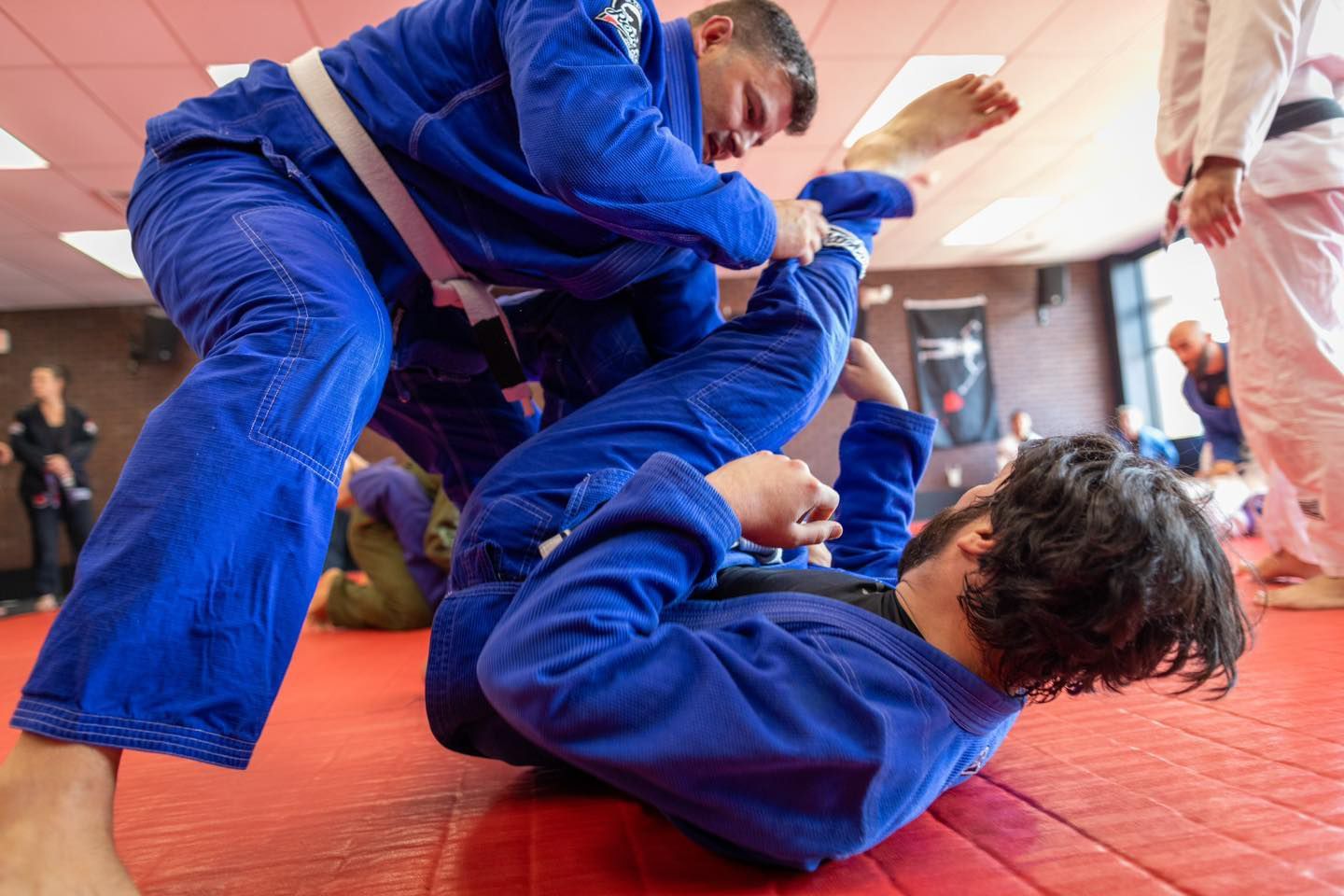
Brazilian Jiu Jitsu

Kettlebell HIIT

Adult Muay Thai
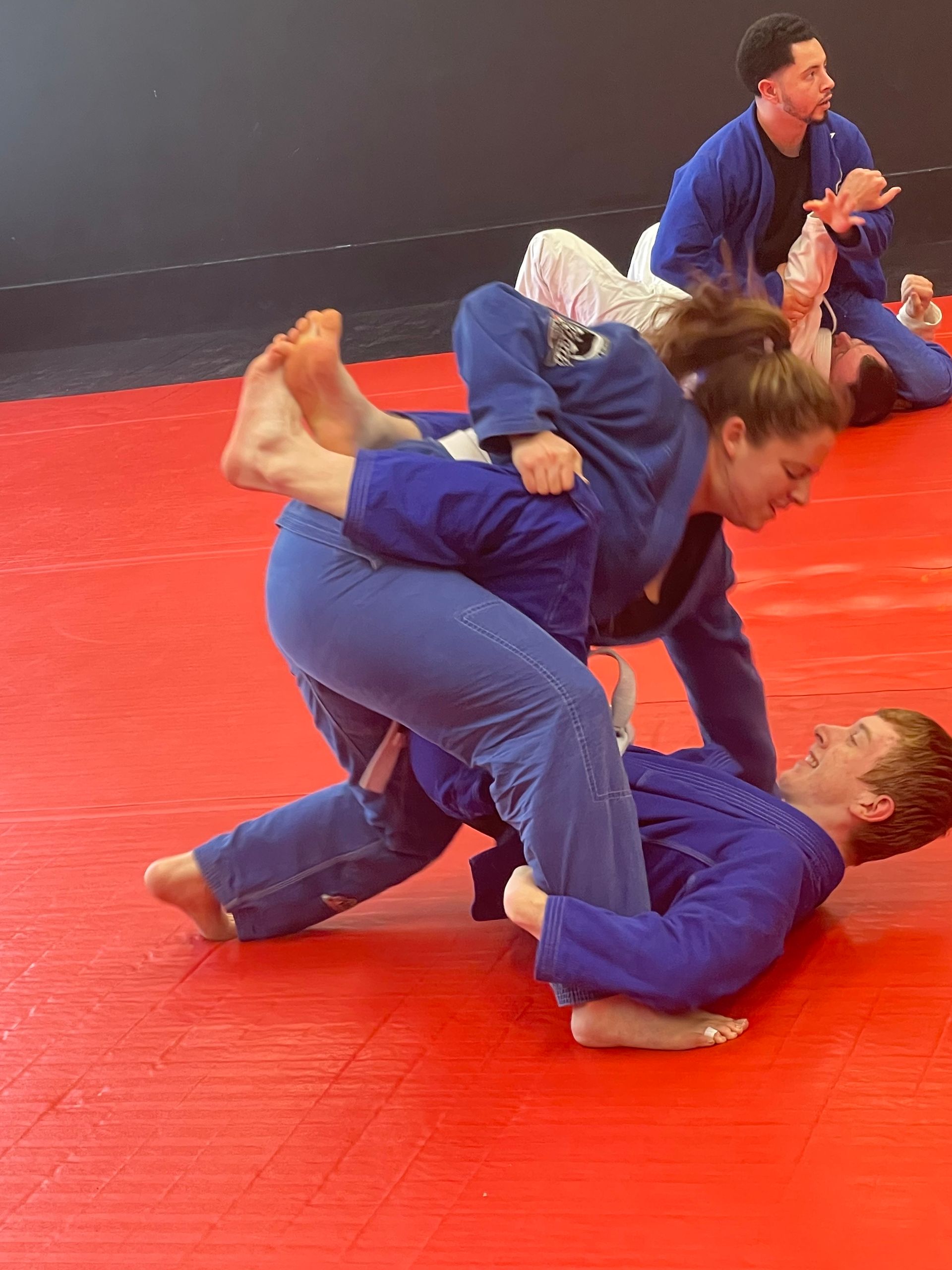
Private Lessons
Corporate Self Defense Seminars