The Way of Responsibility — Why Ownership Precedes Freedom
The Way of Responsibility — Why Ownership Precedes Freedom
The Seven Ways V: The Way of Responsibility
Why Blame Weakens Men and Ownership Restores Power
If the first failures are physical, the second technical, the third moral, and the fourth neurological, then the fifth is existential.
Most men do not lose their way because life is unfair.
They lose their way because they slowly surrender ownership.
They begin to explain instead of correct.
They justify instead of adjust.
They defend instead of take responsibility.
And in doing so, they give away the one thing that cannot be taken by force:
Agency.
This is the fifth way: The Way of Responsibility—the discipline of refusing to outsource your life to circumstances, emotions, or excuses.
Responsibility Is Not Guilt. It Is Power.
Modern culture treats responsibility as a burden.
Something heavy.
Something unfair.
Something to be avoided.
But responsibility is not punishment.
Responsibility is leverage.
It is the moment a man says: “Regardless of how this happened, it is now mine to handle.”
Fault looks backward.
Responsibility looks forward.
Fault asks, “Who caused this?” Responsibility asks, “What am I going to do about it?”
One creates resentment.
The other creates movement.
Why Men Drift Into Blame
Blame is seductive because it protects identity.
It allows a man to believe:
- He is still capable
- The system is the problem
- Circumstances are unfair
- Others are at fault
Blame feels like clarity. In reality, it is paralysis.
The moment you blame, you wait.
You wait for conditions to change.
You wait for others to act differently.
You wait for the world to become fair.
And waiting is how sovereignty erodes.
Responsibility Returns You to the Center
A responsible man does not deny reality.
He accepts it fully.
Not with bitterness.
Not with theatrics.
With clarity.
He understands:
- He cannot control outcomes
- He can control preparation
- He cannot control others
- He can control response
- He cannot control the past
- He can control correction
This is not optimism. This is command.
The Difference Between Explanation and Correction
Most men are excellent explainers.
They can tell you:
- Why they were late
- Why training slipped
- Why stress got the best of them
- Why this month was different
Explanations feel productive. They are not.
Correction is productive.
Correction is simple:
- Identify the failure
- Remove the excuse
- Adjust the behavior
- Raise the standard
No speech required.
The more a man explains, the less he corrects.
The more he corrects, the less he needs to explain.
Why Martial Arts Teach Responsibility Better Than Words Ever Could
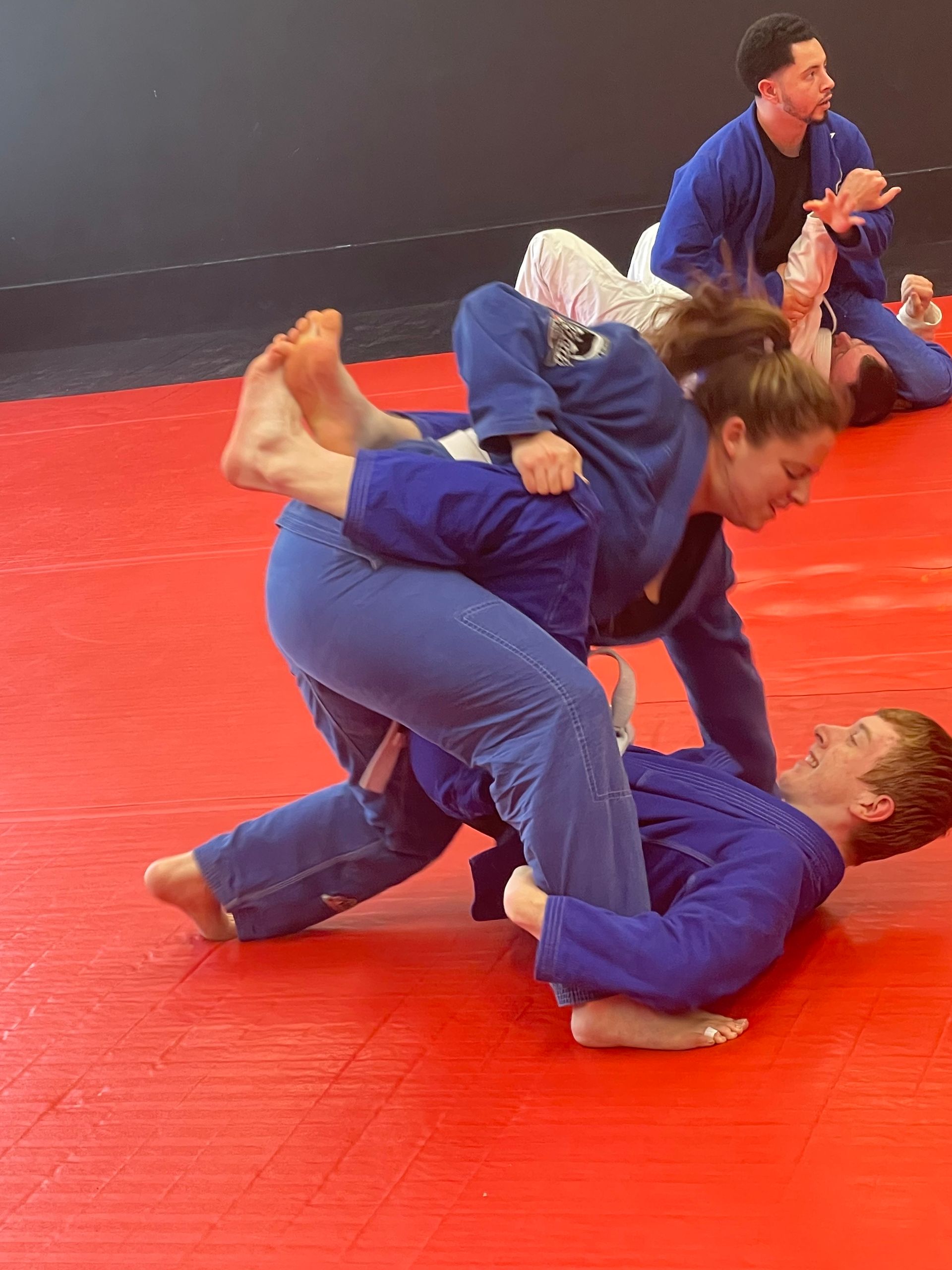
On the mat, responsibility is unavoidable.
If you are out of position, you are out of position.
If your timing is late, you get countered.
If your conditioning is poor, you fatigue.
If your composure breaks, you are exposed.
No one argues with the outcome.
No one debates reality.
There is no committee.
There is no appeal. Only feedback.
This is why martial arts create a unique kind of maturity.
They remove the fantasy that:
- Effort guarantees success
- Intention replaces preparation
- Desire overrides reality
You learn quickly that: “If it didn’t work, I must change.”
Not the opponent.
Not the rules.
Not the circumstances.
Me.
Responsibility and the End of Victim Narratives
Victimhood is not weakness.
It is learned helplessness.
It is the slow habit of interpreting every obstacle as proof that:
- The system is rigged
- The timing is wrong
- The world is unfair
- You are unlucky
Some of these may even be true. But none of them are useful.
Responsibility does not deny difficulty. It simply refuses to let difficulty dictate identity.
A responsible man does not ask, “Why did this happen to me?”
He asks,“Given that this has happened, who must I become?”
The Relationship Between Responsibility and Self-Respect
Self-respect is not built by success.
It is built by ownership under failure.
When a man:
- Keeps his word when it is inconvenient
- Trains when he would rather rest
- Admits error without defensiveness
- Corrects quickly without drama
He begins to trust himself. And trust in oneself is the foundation of confidence.
Not bravado.
Not posturing.
Quiet certainty.
Responsibility After 40: When the Bill Comes Due
After 40, the margin for self-deception narrows.
You can no longer blame:
- Youth
- Ignorance
- Bad luck
- Lack of opportunity
Patterns become visible.
If health is declining, the cause is visible.
If skill has stalled, the cause is visible.
If discipline wavers, the cause is visible.
Not in the world. In habits.
This is not condemnation. It is clarity.
And clarity is a gift—if you accept it.
The Courage to Say “This Is On Me”
Few sentences are more powerful than: “This is on me.”
Not because they are dramatic. Because they end the search for permission.
They end the search for excuses.
They end the search for someone to blame.
They mark the moment a man steps back into authorship.
Responsibility Is the Bridge Between Regulation and Leadership
Without regulation, emotion runs the show.
Without responsibility, ego runs the story.
Responsibility is what allows a man to:
- Hold calm
- Own mistakes
- Lead without domination
- Correct without humiliation
- Accept feedback without collapse
This is why responsibility precedes leadership. Men who cannot own themselves cannot be trusted with others.
Why This Is the Fifth Way
The body builds capacity.
Skill refines execution.
Cause and effect enforce honesty.
Regulation stabilizes the system.
Responsibility restores agency.
Without it:
- Training becomes performative
- Discipline becomes conditional
- Growth becomes accidental
With it:
- Standards become non-negotiable
- Correction becomes immediate
- Progress becomes inevitable
Responsibility is the point where a man stops asking what life will give him and starts deciding what he will demand of himself.
Closing: Freedom Is Earned Through Ownership
Freedom is not the absence of obligation.
It is the presence of chosen responsibility.
The man who avoids responsibility is controlled by circumstance. The man who accepts it is no longer at its mercy.
This year does not require more motivation.
It requires fewer excuses.
Audit your behavior. Correct without drama.
Raise the standard quietly.
And when things go wrong—as they always will—do not ask who is to blame.
Ask:
“What is mine to own?”
Then own it.
Be accountable.
Be steady.
Stand where you stand.
— Coach Chuck
Integrated Martial Athletics
About the Author
Coach Chuck Giangreco is the founder and head coach of Integrated Martial Athletics, an adults-only academy dedicated to developing real-world capability, discipline, and long-term personal sovereignty. He is a Brazilian Jiu-Jitsu black belt and instructor in Muay Thai, Jeet Kune Do concepts, and Filipino Martial Arts, with decades of experience coaching men to remain calm, capable, and composed under pressure.
His work focuses on building physical competence, emotional regulation, and character through structured training, honest feedback, and standards that do not change with mood. He works primarily with men over 40 who refuse to trade strength for comfort and who understand that real confidence is built through preparation, not hype.
Train. Learn. Stay Connected.
YouTube
https://www.youtube.com/@IntegratedMartialAthletics
@integratedmartialathletics
@coachchuckgiangreco
Integrated Martial Athletics
Website
https://www.integratedmartialathletics.com
Choose a Class Below!
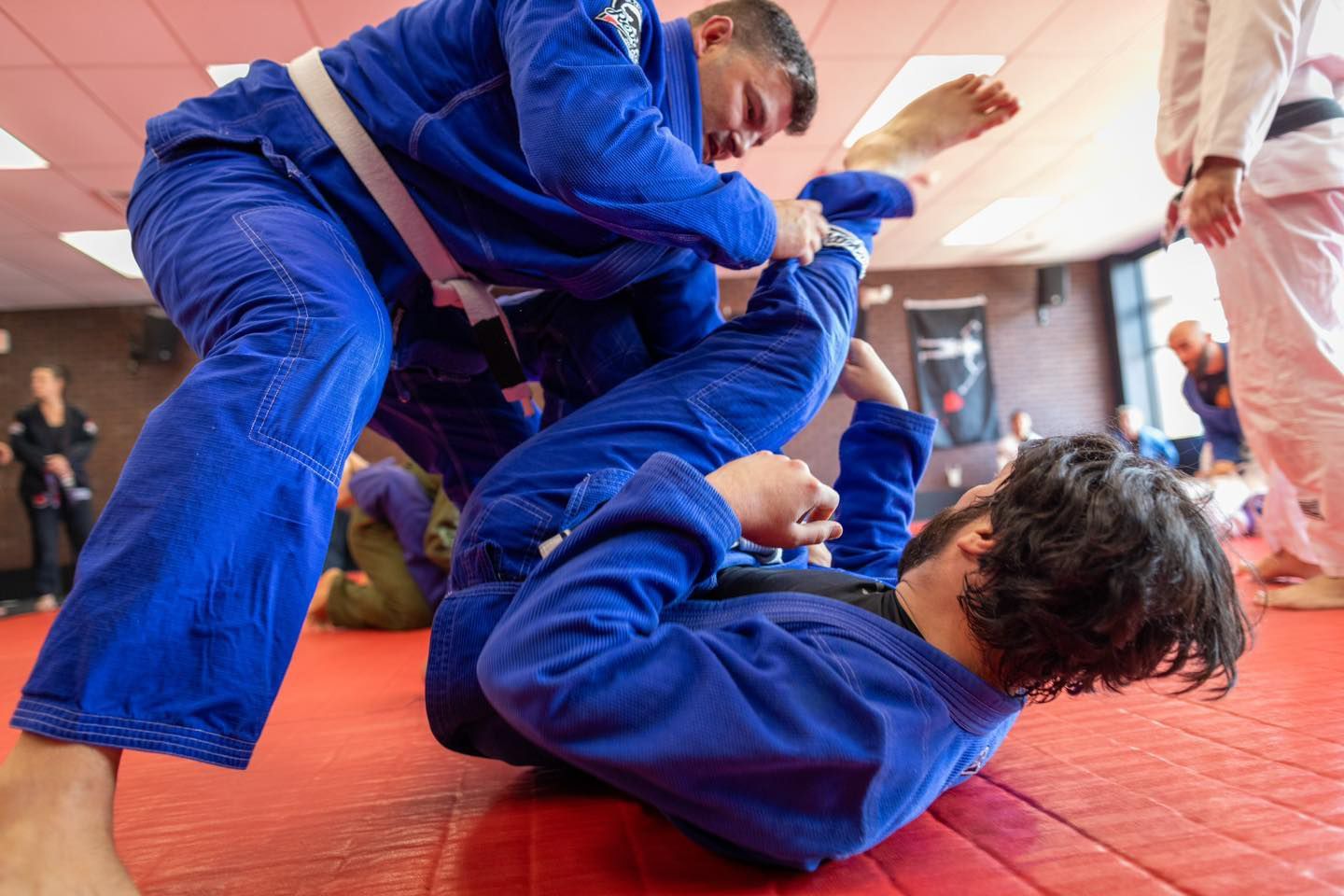
Brazilian Jiu Jitsu

Kettlebell HIIT
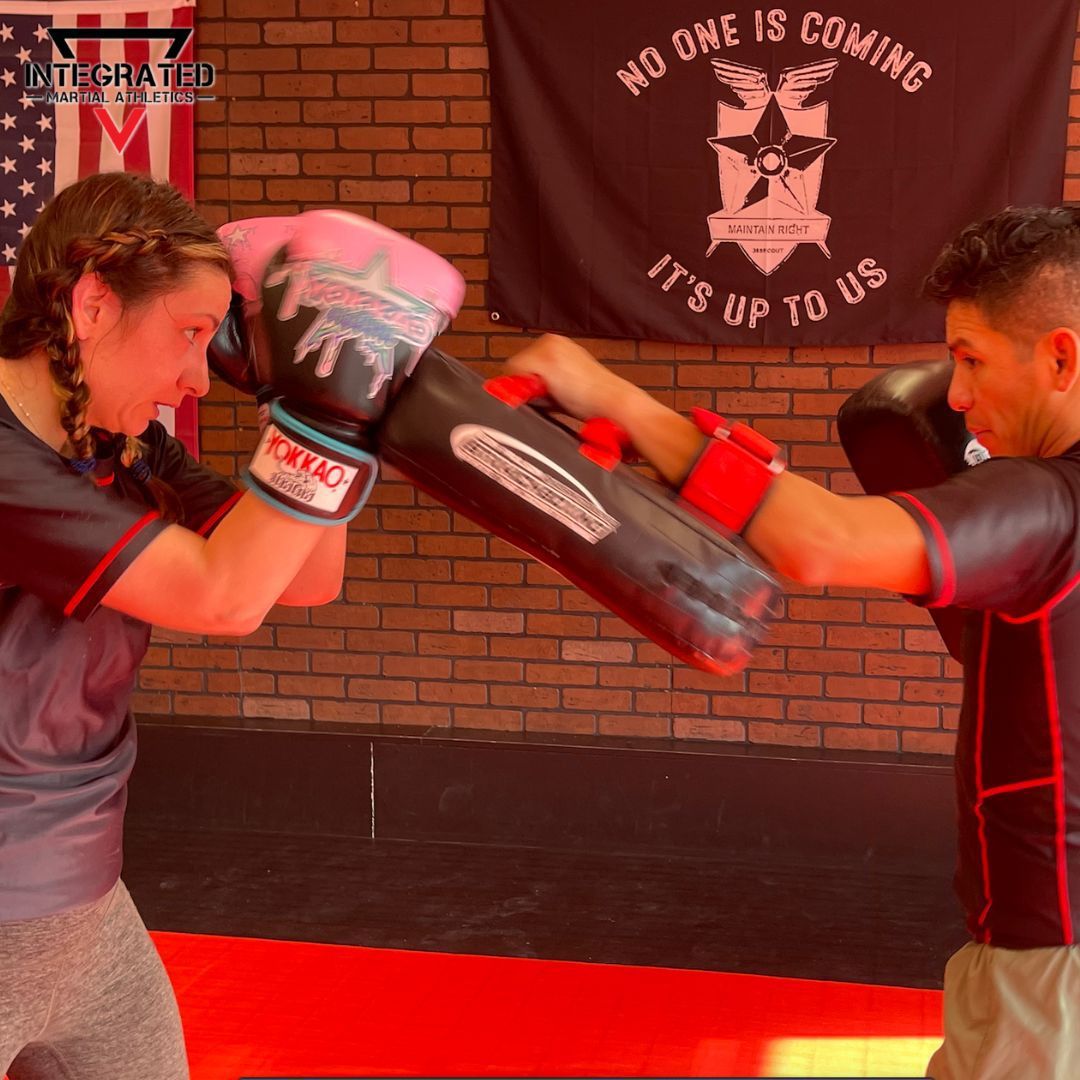
Adult Muay Thai
Private Lessons
Corporate Self Defense Seminars